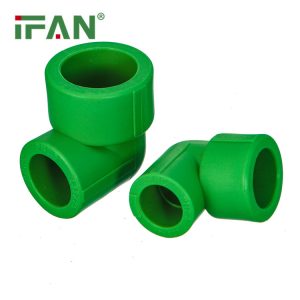
Eco-Friendly Plumbing: Sustainable Water Supply Using PPR Pipe Fittings
In recent years, the demand for sustainable and eco-friendly plumbing solutions has significantly increased. As environmental awareness grows, homeowners, builders, and engineers are seeking materials that not only deliver reliable performance but also minimize ecological impact. Among these, PPR pipe fittings have emerged as an innovative and sustainable choice for water supply systems. This article explores how PPR pipe fittings contribute to eco-friendly plumbing and promote sustainable water supply.
## Understanding PPR Pipe Fittings
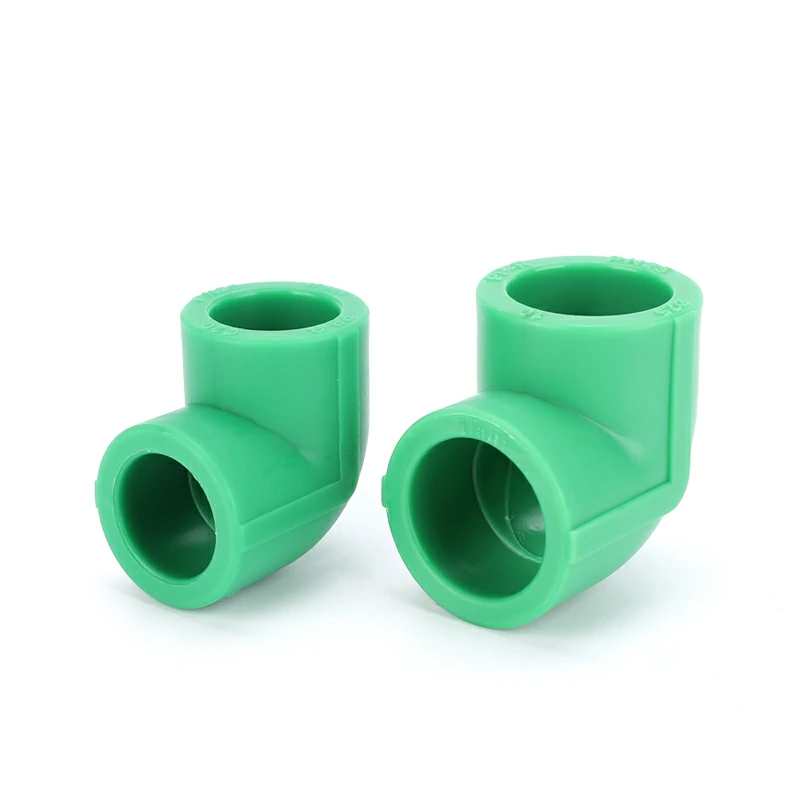
Firstly, PPR stands for Polypropylene Random Copolymer, a type of plastic used widely in plumbing due to its excellent durability and chemical resistance. Unlike traditional metal pipes, PPR pipes and fittings eliminate corrosion and rust, which ensures a longer service life. Moreover, the material is lightweight, which simplifies installation and reduces transportation emissions. Consequently, choosing PPR pipe fittings aligns with goals for sustainable construction.
## Benefits of PPR Pipe Fittings for Sustainable Plumbing
### Energy Efficiency
One of the main advantages of PPR fittings is their excellent thermal insulation properties. Therefore, these pipes reduce heat loss during hot water transport, resulting in lower energy consumption. As a consequence, homeowners can enjoy reduced heating bills and contribute to energy conservation. Furthermore, this energy efficiency reduces the overall carbon footprint associated with water heating.
### Durability and Longevity
Additionally, PPR pipes are highly resistant to chemical degradation and scaling, which often plague metal piping systems. This resistance means fewer repairs and replacements are needed over time. Thus, fewer resources are consumed throughout the system’s lifetime, making it an environmentally responsible choice. In essence, longevity translates directly to sustainability by reducing waste.
### Safety and Health
Moreover, PPR materials do not release harmful substances into the water, ensuring safe drinking water standards. Because water quality is preserved, there is less need for chemical treatments and filtration. Consequently, this promotes not only health but also reduces environmental contamination. Therefore, PPR pipe fittings support sustainable water supply from both a health and environmental perspective.
## Installation Advantages Leading to Sustainability
Compared with traditional metal pipes, PPR fittings are easier to install due to their lightweight nature and fusion welding technology. Fusion welding creates a homogeneous joint, which prevents leaks effectively. As a result, water loss is minimized, helping conserve this precious resource. In addition, the simplified installation process reduces labor time and energy use on-site, contributing further to sustainability.
## Environmental Impact Reduction
### Recyclability
Importantly, PPR materials can be recycled and repurposed, supporting a circular economy. After their service life, these pipes can be processed into raw materials for new products, thus minimizing landfill waste. In this way, PPR pipe fittings reduce environmental burden—not only during usage but even at the end of their lifespan.
### Lower Carbon Footprint in Production
Furthermore, manufacturing PPR pipes typically requires less energy compared to metal pipes like copper or steel. This efficiency in production reduces greenhouse gas emissions and conserves natural resources. Consequently, the choice of PPR pipe fittings aligns with global efforts to lower carbon footprints in building materials.
## Promoting Sustainable Water Supply Systems
Utilizing PPR pipe fittings encourages the development of water systems designed for efficiency and conservation. For example, since leaks are rare, water loss within domestic and commercial systems is significantly reduced. Additionally, the thermal insulation properties support hot water systems that require less energy, linking to broader environmental benefits.
Moreover, the adaptability of PPR pipes allows for integration with renewable water technologies, such as rainwater harvesting and greywater recycling systems. Hence, they not only supply water efficiently but also facilitate sustainable water management practices.
## Conclusion: Embrace Eco-Friendly Plumbing with PPR
In summary, PPR pipe fittings offer numerous advantages that support sustainable water supply and eco-friendly plumbing. From energy efficiency and durability to recycling potential and safety, they present a holistic solution for modern water infrastructure. Therefore, adopting PPR pipe fittings is a positive step toward reducing environmental impact while ensuring reliable, high-quality water delivery.
By choosing these innovative materials, builders and homeowners can contribute meaningfully to environmental conservation. Ultimately, sustainable choices in plumbing lead to healthier communities and a greener planet. Hence, PPR pipe fittings represent not just smart plumbing technology but also responsible stewardship of water resources.