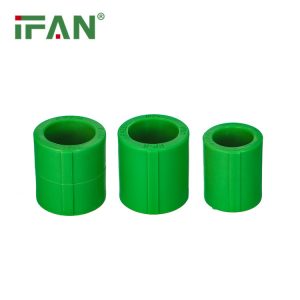
Versatile Applications of PPR Pipe Fittings in Modern Infrastructure
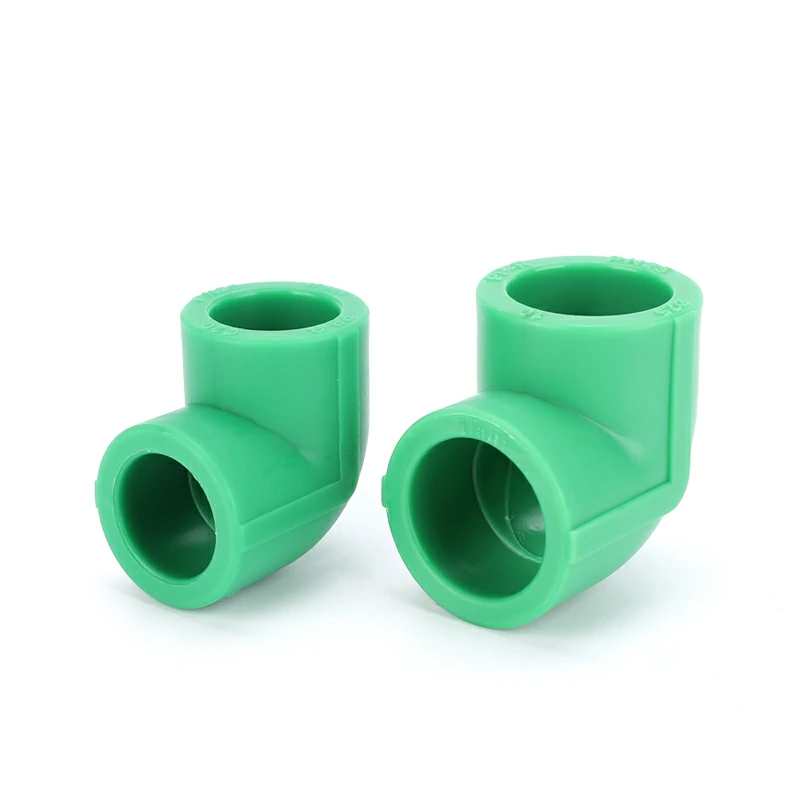
Polypropylene Random Copolymer (PPR) pipe fittings have gained remarkable attention in recent years due to their durability, reliability, and versatility. As modern infrastructure continues to evolve, the demand for efficient and sustainable piping solutions has significantly increased. Consequently, PPR pipe fittings have emerged as a preferred choice in various applications. This article explores the multifaceted uses of PPR pipe fittings and highlights why they are indispensable in today’s infrastructure projects.
## Durability and Longevity in Plumbing Systems
To begin with, PPR pipe fittings are highly celebrated for their exceptional durability. Unlike traditional materials such as metal or PVC, PPR fittings resist corrosion, scaling, and chemical damage. Therefore, they offer a much longer lifespan. Moreover, these fittings can withstand high-pressure environments, making them ideal for both residential and commercial plumbing systems.
Furthermore, the thermal resistance of PPR pipe fittings allows them to handle hot water supply efficiently without deformation. This quality makes PPR an excellent choice for heating systems, ensuring stable performance throughout the years. Due to these characteristics, infrastructure developers increasingly rely on PPR fittings for sustainable plumbing solutions.
## Enhanced Safety and Environmental Benefits
In addition to their robustness, PPR pipe fittings promote safety and environmental sustainability. Firstly, the non-toxic nature of polypropylene ensures safe water transportation, eliminating risks of contamination. Hence, PPR pipes and fittings are widely used in potable water supply networks, which is crucial for public health.
Secondly, PPR materials are recyclable and require less energy to manufacture compared to metal alternatives. Accordingly, they contribute significantly to reducing the carbon footprint of construction projects. As a result, many green building initiatives prefer PPR pipe fittings for their eco-friendly advantages.
## Versatility in Industrial and Commercial Applications
Besides residential infrastructure, the versatility of PPR pipe fittings extends to industrial and commercial settings. For instance, chemical processing plants utilize PPR fittings due to their resistance to a broad range of acids and alkalis. This resistance minimizes maintenance costs and reduces downtime, thereby improving overall operational efficiency.
In addition, PPR fittings are frequently applied in HVAC (Heating, Ventilation, and Air Conditioning) systems. Their excellent insulation properties facilitate energy savings, which is particularly beneficial for large commercial complexes. Consequently, PPR pipe fittings are integral components in modern building designs that aim to optimize performance and sustainability.
## Ease of Installation and Cost-Effectiveness
Another significant advantage of PPR pipe fittings is their ease of installation. Thanks to their lightweight nature and simplified welding techniques, installation labor time is considerably reduced. This efficiency does not only save money but also accelerates project completion timelines.
Moreover, the reduced maintenance requirements of PPR systems further enhance their cost-effectiveness over the long term. Since they do not rust or degrade quickly, repair needs are minimal, leading to lower lifecycle costs. Therefore, many infrastructure developers view PPR pipe fittings as smart investments that balance upfront expenses with future savings.
## Supporting Smart and Sustainable Infrastructure
Lastly, as the world embraces smart infrastructure innovations, PPR pipe fittings hold potential roles in integrated piping systems. Their compatibility with sensors and adaptive technologies can facilitate real-time monitoring of water flow, pressure, and quality. Accordingly, this integration promotes efficient resource management, which is vital in urban developments.
Furthermore, ongoing advancements in PPR material science continue to expand the range of applications. For example, innovations are enhancing their heat resistance and durability, making them suitable for even more demanding environments. Thus, PPR pipe fittings remain at the forefront of modern infrastructure solutions, championing sustainability and performance.
## Conclusion
In conclusion, the versatile applications of PPR pipe fittings are transforming modern infrastructure by offering durability, safety, environmental benefits, and economic advantages. Their role transcends traditional plumbing to encompass industrial, commercial, and smart building systems. Consequently, embracing PPR pipe fittings supports the creation of sustainable, reliable, and efficient infrastructure that meets the demands of today and tomorrow. As infrastructure advances, PPR fittings undoubtedly stand as essential components that drive progress forward.


.webp)