PPR Water Fittings: Combining Strength and Flexibility for Modern Plumbing
In the world of plumbing, choosing the right materials is crucial for ensuring long-lasting performance and reliability. PPR (Polypropylene Random Copolymer) water fittings have gained significant popularity due to their unique combination of strength and flexibility. This article explores why PPR water fittings are an excellent choice for modern plumbing systems and how they enhance both durability and efficiency.
## What Are PPR Water Fittings?
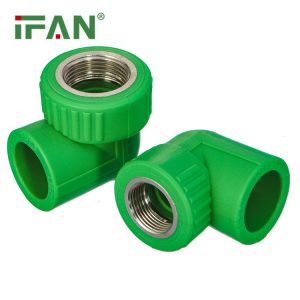
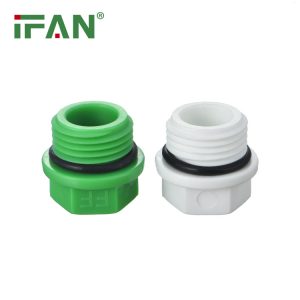
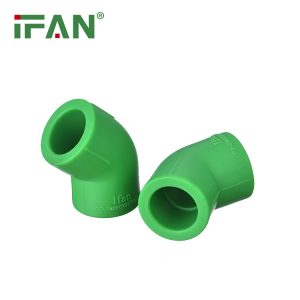
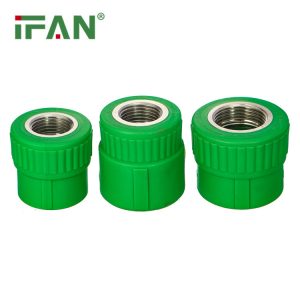
PPR water fittings are made from a high-quality, thermoplastic material called polypropylene random copolymer. This material is specifically designed for hot and cold water supply systems. Unlike traditional metal or PVC fittings, PPR offers a remarkable balance between toughness and flexibility, making it ideal for various plumbing applications.
Furthermore, these fittings are produced using advanced extrusion technology which ensures uniform wall thickness and superior bonding performance. Consequently, PPR water fittings provide leak-proof joints and exhibit excellent resistance to corrosion and scaling.
## Strength: Built for Long-Term Durability
One of the standout features of PPR water fittings is their exceptional strength. First and foremost, PPR pipes and fittings boast a high resistance to pressure, which makes them suitable for both residential and commercial water supply systems. In addition to this, they are capable of withstanding extreme temperatures, from cold water as low as 0°C to hot water up to 95°C, without losing integrity.
Moreover, the molecular structure of PPR provides added toughness. As a result, the fittings exhibit outstanding impact resistance and are unlikely to crack or deform under mechanical stress. Thus, using PPR fittings ensures that plumbing systems remain robust and maintenance-free for extended periods.
## Flexibility: Adapting to Various Plumbing Needs
While strength is vital, flexibility in plumbing components allows for easier installation and adaptation to diverse environments. Notably, PPR fittings are highly flexible, which facilitates a smoother and quicker installation process. Compared with rigid metal pipes, PPR pipes can bend slightly without breaking, reducing the need for excessive joints or connectors.
Additionally, this flexibility translates to better shock absorption. For example, in areas prone to vibrations or minor ground movements, PPR fittings can accommodate small shifts without compromising the system’s integrity. Consequently, this flexibility helps to prevent leaks and prolongs the lifespan of the plumbing network.
## Environmental Benefits and Safety
Another important consideration when selecting plumbing materials is sustainability and safety. PPR water fittings score highly in this regard. Due to the nature of polypropylene, they are recyclable, which means the environmental impact is minimized. Furthermore, PPR does not release harmful substances, ensuring safe drinking water quality.
Besides this, the smooth inner surface of PPR fittings reduces friction, which improves water flow efficiency, thus conserving energy over time. Hence, PPR fittings contribute not only to the well-being of users but also to environmental preservation.
## Ease of Maintenance and Cost-Effectiveness
In addition to their durability and adaptability, PPR water fittings are remarkably low maintenance. The corrosion resistance of PPR means the fittings require minimal upkeep, saving both time and money over the long term. Unlike metal fittings that might rust or scale, PPR maintains its performance with little intervention.
Furthermore, the initial installation cost of PPR fittings tends to be competitive compared to copper and other traditional materials. When combined with their long lifespan and low maintenance requirements, PPR water fittings represent excellent value for money.
## Conclusion: The Ideal Choice for Reliable Plumbing
In summary, PPR water fittings combine both strength and flexibility, making them an optimal solution for modern water supply systems. Their durability ensures resistance to pressure, temperature, and mechanical stress, while their flexibility simplifies installation and adapts well to changing conditions. Additionally, PPR’s environmental friendliness and cost-effectiveness add further advantages.
Therefore, whether you are a homeowner, contractor, or engineer, choosing PPR water fittings means investing in a reliable, efficient, and sustainable plumbing system. By embracing these advanced materials, you can confidently secure water infrastructure that stands the test of time.