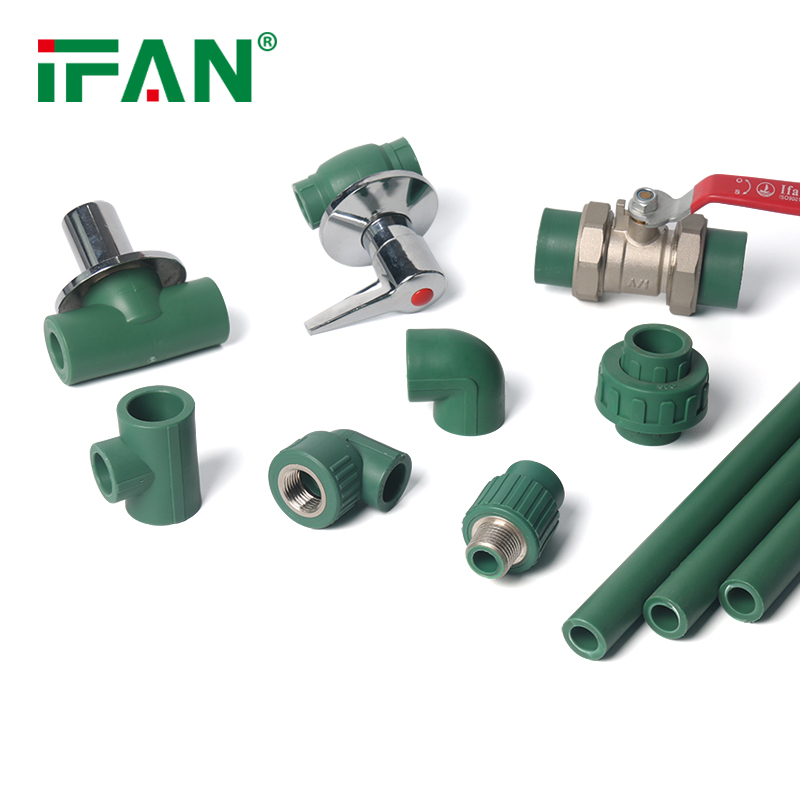
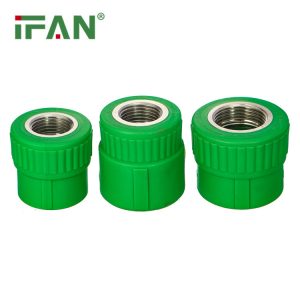
Non-Contaminating PPR Pipe Fittings for Clean Water Guarantee
Ensuring access to clean water is a fundamental priority for communities, industries, and households worldwide. Consequently, the materials and technologies used in water supply systems must uphold the highest standards of safety and hygiene. Among these, non-contaminating PPR (Polypropylene Random Copolymer) pipe fittings have become an essential component in delivering pure, uncontaminated water. This article explores the significance of these fittings and their role in guaranteeing clean water.
## What Are Non-Contaminating PPR Pipe Fittings?
Primarily, PPR pipe fittings are made from a type of plastic known as polypropylene random copolymer. This material offers superior durability and excellent resistance to chemicals. More importantly, non-contaminating PPR fittings are designed to prevent any impurities from leaching into the water supply system. Consequently, they ensure that water remains clean and safe from contamination during transportation.
In addition to their chemical resistance, these fittings provide exceptional thermal stability. Hence, they are suitable for both hot and cold water systems, maintaining water quality even under fluctuating temperature conditions. Moreover, their smooth internal surfaces reduce friction and prevent biofilm formation, which can otherwise degrade water quality.
## Advantages of Using Non-Contaminating PPR Pipe Fittings
First and foremost, the non-toxic and inert nature of PPR ensures that water passing through these fittings does not pick up harmful substances. Therefore, public health is safeguarded without compromising on system performance. Additionally, these fittings are corrosion-resistant, unlike metals that may rust and contaminate water pipes over time.
Furthermore, PPR fittings are lightweight and easy to install, reducing labor costs and project timelines. Their fusion welding technique creates a seamless connection, preventing leaks and minimizing contamination risks. As a result, water systems incorporating PPR fittings enjoy increased reliability and longevity.
Because these fittings comply with stringent international standards, they are trusted by engineers and contractors worldwide. This trust is further reinforced by the material’s recyclability, aligning with sustainable building practices. Hence, using PPR pipe fittings supports both environmental goals and public health objectives simultaneously.
## How Non-Contaminating PPR Fittings Impact Water Quality
It is important to emphasize that water quality relies heavily on the choice of pipeline components. In this context, non-contaminating PPR fittings serve as a critical line of defense, ensuring the water remains uncontaminated from source to tap. Consequently, households and businesses can rely on their water supply for drinking, cooking, and hygiene without concern.
Moreover, because PPR fittings do not corrode, they do not contribute to sediment buildup inside pipes. This factor is vital, as sediment can become a breeding ground for bacteria and other harmful microorganisms. Therefore, by maintaining a clean interior pipe surface, these fittings help sustain high water purity standards.
Additionally, the stable chemical properties of PPR prevent interaction with disinfectants such as chlorine, ensuring that any water treatment remains effective throughout the distribution system. Thus, water remains consistently safe and palatable, enhancing user confidence.
## Promoting a Healthier Future with PPR Pipe Fittings
To conclude, non-contaminating PPR pipe fittings represent a modern and efficient solution for clean water delivery. Because of their design and material advantages, they contribute significantly to safeguarding public health. Furthermore, their ease of installation and maintenance makes them a preferred choice in both new constructions and retrofitting projects.
Looking ahead, incorporating these fittings into water infrastructure supports sustainable development goals by promoting water safety, reducing waste, and improving system durability. Therefore, stakeholders at all levels should consider the benefits of non-contaminating PPR fittings when planning water supply systems.
In summary, by choosing non-contaminating PPR pipe fittings, we take a proactive step toward ensuring clean water access for all. Consequently, this choice not only meets immediate quality demands but also builds a foundation for healthier communities and environments worldwide.