Heat-Insulating PPR Pipe Fittings to Preserve Water Temperature**
Maintaining optimal water temperature is essential in both residential and commercial plumbing systems. One effective way to achieve this is by using heat-insulating PPR (Polypropylene Random Copolymer) pipe fittings. This article explores how these fittings contribute to energy efficiency and water conservation, making them an excellent choice for modern piping networks.
### What Are PPR Pipe Fittings?
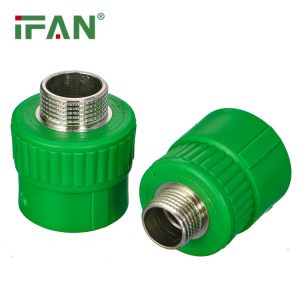
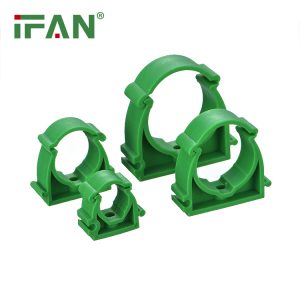
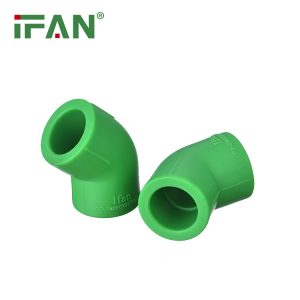
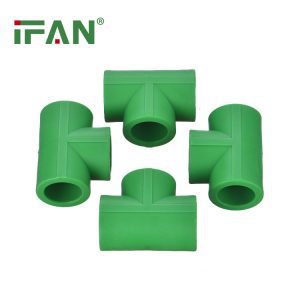
PPR pipe fittings are plumbing components made from a durable thermoplastic polymer known for its high resistance to heat and pressure. These fittings connect pipes in plumbing systems, ensuring a secure and leak-free flow of liquids. Due to their robustness and ease of installation, PPR fittings have become increasingly popular worldwide.
### The Importance of Heat Insulation in Piping
Firstly, heat insulation helps maintain the desired water temperature within pipes over long distances. This feature is crucial for hot water systems, where temperature loss during flow can negatively impact comfort and efficiency. Moreover, reducing heat loss means less energy consumption to reheat water, which ultimately translates to cost savings and environmental benefits.
### How Heat-Insulating PPR Fittings Preserve Water Temperature
Heat-insulating PPR pipe fittings are designed with materials that slow down heat transfer. Consequently, water moving through these pipes stays warmer for a longer time, reducing the need for repeated heating. Additionally, this insulation minimizes condensation on pipe surfaces, thus preventing moisture issues in walls and ceilings.
### Advantages of Using Heat-Insulating PPR Pipe Fittings
Firstly, they provide excellent thermal insulation compared to traditional metal fittings. This property not only improves energy efficiency but also helps protect water quality by maintaining stable temperatures. Furthermore, PPR fittings are corrosion-resistant, adding to their longevity and reliability in various environments.
In addition, these fittings are lightweight, facilitating easier handling and installation. This convenience often results in reduced labor costs and shorter project timelines. Also, PPR’s chemical resistance ensures compatibility with a wide range of fluids, making these fittings versatile for different applications.
### Energy Efficiency and Environmental Impact
Importantly, incorporating heat-insulating PPR fittings in plumbing systems aligns well with energy-saving goals. Since they reduce heat loss, less energy is required to maintain hot water levels, thereby lowering greenhouse gas emissions related to heating. Consequently, these fittings contribute positively to sustainable building practices.
### Applications in Residential and Commercial Systems
In residential buildings, heat-insulating PPR fittings enhance comfort by delivering hot water more consistently and quickly. Similarly, in commercial and industrial settings, they support efficient heating and cooling processes, contributing to overall operational efficiency. Hence, their use is increasingly favored in modern construction and renovation projects.
### Installation Tips and Best Practices
To maximize the benefits of heat-insulating PPR fittings, proper installation is vital. Firstly, ensure all connections are tight and secure to prevent leaks. Secondly, consider adding extra insulation around fittings in particularly cold or exposed areas. Additionally, regular inspection and maintenance help sustain the system’s performance over time.
### Conclusion: Embracing Heat-Insulating PPR Fittings for Optimal Water Temperature
In summary, heat-insulating PPR pipe fittings offer a practical and sustainable solution to preserve water temperature in plumbing systems. By reducing heat loss and enhancing energy efficiency, they provide both economic and environmental advantages. Therefore, adopting these fittings can significantly improve water systems’ performance, making them an ideal choice for homeowners, builders, and engineers alike.