Whatsapp

+8615088288323

Email

sales24-ifan@ifangroup.com

Address

Address 1:No.18 Xiaguang Road, Diankou Town, Zhuji City, Zhejiang Province
Address 2:No. 3, Central Road, Diankou Town, Zhuji City, Zhejiang Provincea

Category: Knowledges

Knowledges

PPR Pipes: Interchangeable?

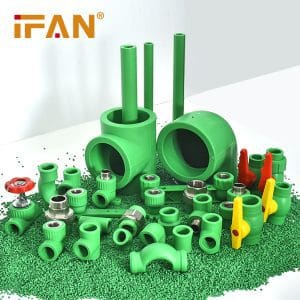
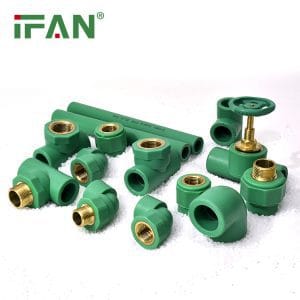
PPR Pipes: Interchangeable? PPR pipe, also known as polypropylene random copolymer pipe, is used in a variety of applications including hot and cold water distribution, heating systems, and industrial piping. Can PPR pipes be mixed? When mixing PPR pipes with other materials, it is important to know their characteristics and compatibility with other materials. This is our Facebook Website:www.facebook.com,IFAN factory has 30+ years manufacture experience supporting color /size customization support Free Samples. Affect The Integrity Of The Pipeline One of the main advantages of PPR pipes is their high resistance to chemicals, making them ideal for industrial piping systems. However, when PPR pipe is mixed with other materials, the chemical properties of the material may affect the integrity of the pipe. Cause A Leak For example, if a PPR pipe is mixed with materials containing heavy metals or other corrosive substances, it may cause the pipe to degrade and shorten its service life. This can cause leaks or other problems that can negatively affect the functionality of the system. Deformation Or Softening Another consideration is the temperature resistance of the PPR pipe. Although they are designed to withstand high temperatures, excessive heat can cause them to warp or soften. If PPR pipe
Read More »
Knowledges

Can PPR Pipes Combine?

Can PPR Pipes Combine? PPR pipe, also known as polypropylene random copolymer pipe, is used in a variety of applications including hot and cold water distribution, heating systems, and industrial piping. Can PPR pipes be mixed? When mixing PPR pipes with other materials, it is important to know their characteristics and compatibility with other materials. This is our Facebook Website:www.facebook.com,IFAN factory has 30+ years manufacture experience supporting color /size customization support Free Samples. Affect The Integrity Of The Pipeline One of the main advantages of PPR pipes is their high resistance to chemicals, making them ideal for industrial piping systems. However, when PPR pipe is mixed with other materials, the chemical properties of the material may affect the integrity of the pipe. Cause A Leak For example, if a PPR pipe is mixed with materials containing heavy metals or other corrosive substances, it may cause the pipe to degrade and shorten its service life. This can cause leaks or other problems that can negatively affect the functionality of the system. Deformation Or Softening Another consideration is the temperature resistance of the PPR pipe. Although they are designed to withstand high temperatures, excessive heat can cause them to warp or soften. If PPR

Read More »
Knowledges

PPR Pipes: Mixable?

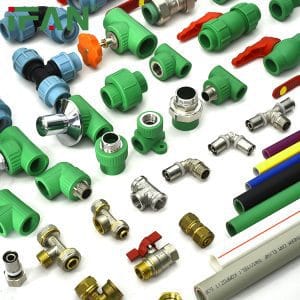
PPR Pipes: Mixable?PPR pipe, also known as polypropylene random copolymer pipe, is used in a variety of applications including hot and cold water distribution, heating systems, and industrial piping. Can PPR pipes be mixed? When mixing PPR pipes with other materials, it is important to know their characteristics and compatibility with other materials. This is our Facebook Website:www.facebook.com,IFAN factory has 30+ years manufacture experience supporting color /size customization support Free Samples. Affect The Integrity Of The Pipeline One of the main advantages of PPR pipes is their high resistance to chemicals, making them ideal for industrial piping systems. However, when PPR pipe is mixed with other materials, the chemical properties of the material may affect the integrity of the pipe. Cause A Leak For example, if a PPR pipe is mixed with materials containing heavy metals or other corrosive substances, it may cause the pipe to degrade and shorten its service life. This can cause leaks or other problems that can negatively affect the functionality of the system. Deformation Or Softening Another consideration is the temperature resistance of the PPR pipe. Although they are designed to withstand high temperatures, excessive heat can cause them to warp or soften. If PPR pipe is
Read More »
Knowledges

Can PPR pipes be used together with other types of pipes?

Can PPR pipes be used together with other types of pipes? PPR pipe, also known as polypropylene random copolymer pipe, is used in a variety of applications including hot and cold water distribution, heating systems, and industrial piping. Can PPR pipes be mixed? When mixing PPR pipes with other materials, it is important to know their characteristics and compatibility with other materials. This is our Facebook Website:www.facebook.com,IFAN factory has 30+ years manufacture experience supporting color /size customization support Free Samples. Affect The Integrity Of The Pipeline One of the main advantages of PPR pipes is their high resistance to chemicals, making them ideal for industrial piping systems. However, when PPR pipe is mixed with other materials, the chemical properties of the material may affect the integrity of the pipe. Cause A Leak For example, if a PPR pipe is mixed with materials containing heavy metals or other corrosive substances, it may cause the pipe to degrade and shorten its service life. This can cause leaks or other problems that can negatively affect the functionality of the system. Deformation Or Softening Another consideration is the temperature resistance of the PPR pipe. Although they are designed to withstand high temperatures, excessive heat can cause

Read More »
Knowledges

Is PPR pipe good for plumbing?

IS PPR pipe good for plumbing? PPR (Polypropylene Random Copolymer) pipe is a type of plastic pipe that has become increasingly popular for plumbing applications. Many people wonder if PPR pipe is a good choice for their plumbing needs. In this article, we will discuss the benefits and drawbacks of using PPR pipe for plumbing. PPR pipe is an excellent choice for plumbing for several reasons. One of the biggest advantages of PPR pipe is its durability. PPR pipe is resistant to corrosion, abrasion, and chemicals, which makes it an excellent choice for plumbing applications. PPR pipe is also resistant to high temperatures and can withstand pressures of up to 20 bar, making it suitable for a wide range of plumbing applications. Another advantage of PPR pipe is its ease of installation. PPR pipe can be easily cut to size and joined using a variety of methods, including fusion welding, mechanical fittings, push-fit fittings, and solvent cement. These methods are quick and easy to perform, making PPR pipe an excellent choice for DIY plumbing projects. PPR pipe also has a long lifespan, which makes it a cost-effective choice for plumbing applications. PPR pipe can last for up to 50 years

Read More »
Knowledges

How do you connect PPR pipe to fittings

How do you connect PPR pipe to fittings PPR pipes are a popular choice for plumbing and piping projects due to their durability, resistance to corrosion, and ease of installation. Connecting PPR pipe to fittings is a critical step in any plumbing or piping project, and there are several methods to achieve a secure and leak-free connection. One of the most common methods of connecting PPR pipe to fittings is through the use of fusion welding. This involves using a specialized welding machine to heat the pipe and fitting until they melt and then pressing them together to form a permanent bond. Fusion welding creates a strong and durable connection that is resistant to leaks and corrosion. Another method of connecting PPR pipe to fittings is through the use of mechanical fittings. Mechanical fittings are designed to grip and seal the pipe using compression or clamping mechanisms, without the need for heat or special tools. This method is quick and easy to perform, making it a popular choice for DIYers and those with limited plumbing experience. Push-fit fittings are also a popular method of connecting PPR pipe to fittings. These fittings are designed to push the pipe into the fitting,

Read More »
Knowledges

What are the methods of joining pipe?

What are the methods of joining pipe? When it comes to plumbing and piping projects, joining pipes together is a crucial step. There are various methods of joining pipe, each with its advantages and disadvantages. Let’s take a closer look at some of the most common methods of joining pipe. One of the most basic and traditional methods of joining pipe is through threading. This involves cutting threads into the ends of the pipe, which are then screwed together with a coupling. While this method is simple and reliable, it can be time-consuming and requires specialized tools. Another common method of joining pipe is through welding. This involves heating the ends of the pipes until they melt and then pressing them together to form a permanent bond. Welding is a strong and durable method of joining pipe, but it requires specialized equipment and training to perform correctly. Soldering is another popular method of joining pipe, particularly in copper piping applications. Soldering involves heating the joint area with a torch and then applying solder to the joint, which melts and flows into the joint to form a secure bond. While soldering is relatively easy to perform, it requires skill and attention

Read More »
Knowledges

What is the length of PPR pipe?

What is the length of PPR pipe? PPR pipes are a popular choice for plumbing applications due to their durability and ease of installation. But what is the length of PPR pipe, and what factors should be considered when selecting the right length? PPR pipes typically come in lengths of 4 meters, or approximately 13 feet. However, they can also be found in shorter or longer lengths, depending on the manufacturer and supplier. The length of PPR pipes can be customized to meet specific project requirements, with lengths of up to 6 meters available in some cases. When selecting the length of PPR pipe for a project, there are a few factors that should be considered. Firstly, the distance between the source of the water supply and the point of use will determine the length of pipe required. This will include any necessary bends, turns, or changes in elevation that the pipe must navigate. Secondly, it’s important to consider any building codes or regulations that may dictate the maximum length of pipe that can be used. This will vary depending on the specific application and local building codes, and consulting with a professional plumber or building inspector is recommended. Finally,

Read More »
Knowledges

What does PPR pipe mean in plumbing?

What does PPR pipe mean in plumbing? PPR pipes have become increasingly popular in plumbing applications due to their durability and chemical resistance. But what does PPR pipe mean in plumbing, and what are its benefits? PPR stands for Polypropylene Random Copolymer, which is a type of plastic that is commonly used in the manufacturing of pipes and fittings for plumbing and heating systems. PPR pipes have a number of benefits compared to traditional materials such as copper or PVC. One of the main benefits of PPR pipes is their high resistance to heat and pressure. PPR pipes can withstand high temperatures up to 90°C and high pressure up to 10 bar, making them suitable for both hot and cold water applications. They are also highly resistant to chemical damage, which makes them ideal for use in industrial applications. Another advantage of PPR pipes is their smooth interior surface, which reduces friction and improves water flow. This helps to prevent clogs and blockages, which can be a common issue with other materials such as PVC. PPR pipes are also lightweight and easy to install, as they can be cut and joined using heat fusion welding or mechanical fittings. This makes

Read More »
Knowledges

Does PPR pipe need insulation

Does PPR pipe need insulation Polypropylene Random Copolymer (PPR) pipes are commonly used in plumbing applications due to their durability and chemical resistance. But does PPR pipe need insulation? The answer depends on a few factors. Firstly, PPR pipes have a low thermal conductivity, meaning they don’t conduct heat very well. This can be a benefit in some applications, as it helps to maintain water temperature. However, in colder environments, uninsulated PPR pipes can be susceptible to freezing, which can lead to pipe damage and leaks. Secondly, if PPR pipes are used for hot water applications, insulation is highly recommended. This is because hot water pipes can lose heat through the pipe wall, which reduces the temperature of the water and wastes energy. Finally, in applications where noise reduction is important, PPR pipes may benefit from insulation. Uninsulated pipes can create noise when water flows through them, which can be disruptive in residential or commercial settings. In summary, while PPR pipes have a low thermal conductivity and may not require insulation in some applications, insulation is recommended in colder environments, for hot water applications, and where noise reduction is important. Insulation materials such as foam or fiberglass can be used

Read More »
Scroll to Top