Whatsapp

+8615088288323

Email

sales24-ifan@ifangroup.com

Address

Address 1:No.18 Xiaguang Road, Diankou Town, Zhuji City, Zhejiang Province
Address 2:No. 3, Central Road, Diankou Town, Zhuji City, Zhejiang Provincea

Category: Knowledges

Knowledges

The Green Wave in Plumbing: PPR, PEX, PVC, and HDPE Leading the Charge in 2023

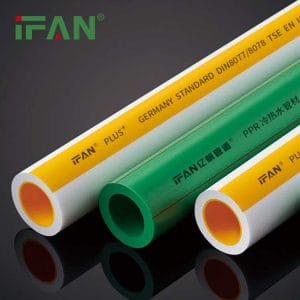
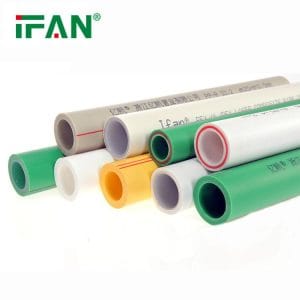
In 2023, the plumbing industry is riding a green wave, with a strong focus on sustainability and eco-friendly materials. PPR (Polypropylene Random Copolymer), PEX (Cross-Linked Polyethylene), PVC (Polyvinyl Chloride), and HDPE (High-Density Polyethylene) are taking the lead in reshaping plumbing practices. Here are the latest trends in these pioneering materials: PPR (Polypropylene Random Copolymer): The Eco-Revolution in Plumbing PPR pipes are redefining sustainable plumbing. Crafted from eco-friendly materials, PPR pipes offer remarkable corrosion resistance and an extended service life. Their heat fusion technology ensures reliable, leak-free connections, making them the perfect choice for water distribution systems while promoting sustainable construction practices. PEX (Cross-Linked Polyethylene): Versatility Meets Environmental Responsibility PEX tubing continues to be the top choice for eco-conscious plumbing solutions. Its flexibility, ease of installation, and resistance to corrosion make it a versatile material for various applications. PEX’s energy efficiency and recyclability align perfectly with the industry’s growing demand for green plumbing alternatives. PVC (Polyvinyl Chloride): A Sustainable and Resilient Option PVC pipes maintain their position as a reliable and sustainable choice for a wide range of applications. PVC’s durability, cost-effectiveness, and potential for recyclability make it an environmentally responsible option for drainage, wastewater, and electrical conduit systems. Advances in
Read More »
Knowledges

Sustainable Plumbing: PPR, PEX, PVC, and HDPE Setting the Standards in 2023

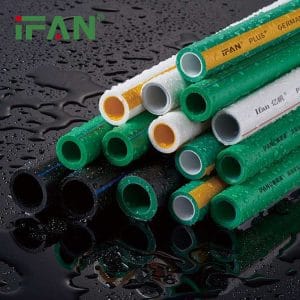
In 2023, the plumbing industry is witnessing a significant shift towards sustainability and eco-friendliness, with PPR (Polypropylene Random Copolymer), PEX (Cross-Linked Polyethylene), PVC (Polyvinyl Chloride), and HDPE (High-Density Polyethylene) leading the way in this transformation. Here are the latest trends in these pioneering materials: PPR (Polypropylene Random Copolymer): A Green Revolution in Plumbing PPR pipes are at the forefront of sustainable plumbing. Manufactured from eco-friendly materials, PPR pipes offer excellent corrosion resistance and an extended service life. Their heat fusion technology ensures reliable, leak-free connections, making them the ideal choice for water distribution systems while promoting sustainable construction practices. PEX (Cross-Linked Polyethylene): Versatility Meets Environmental Responsibility PEX tubing continues to be a top choice for eco-conscious plumbing solutions. Its flexibility, ease of installation, and resistance to corrosion make it a versatile material for various applications. PEX’s energy efficiency and recyclability align perfectly with the industry’s growing demand for green plumbing alternatives. PVC (Polyvinyl Chloride): A Sustainable and Trusted Option PVC pipes maintain their position as a reliable and sustainable choice for a wide range of applications. PVC’s durability, cost-effectiveness, and potential for recyclability make it an environmentally responsible option for drainage, wastewater, and electrical conduit systems. Advances in PVC formulations
Read More »
Knowledges

Eco-Conscious Plumbing: PPR, PEX, PVC, and HDPE Leading the Way in 2023

In 2023, the plumbing industry is embracing a more eco-conscious approach, with a strong focus on sustainable materials. PPR (Polypropylene Random Copolymer), PEX (Cross-Linked Polyethylene), PVC (Polyvinyl Chloride), and HDPE (High-Density Polyethylene) are spearheading this green transformation. Here are the latest trends in these pioneering materials: PPR (Polypropylene Random Copolymer): A Beacon of Sustainable Plumbing PPR pipes are at the forefront of the sustainable plumbing movement. Made from eco-friendly materials, PPR pipes offer excellent corrosion resistance and an extended service life. Their heat fusion technology ensures leak-free connections, making them the perfect choice for water distribution systems, all while promoting sustainable construction practices. PEX (Cross-Linked Polyethylene): Versatility Meets Sustainability PEX tubing remains the top choice for eco-conscious plumbing solutions. Its flexibility, ease of installation, and resistance to corrosion make it a versatile material for various applications. PEX’s energy efficiency and recyclability align with the industry’s growing demand for sustainable plumbing alternatives. PVC (Polyvinyl Chloride): A Sustainable and Trusted Solution PVC pipes maintain their position as a reliable and sustainable choice for a wide range of applications. PVC’s durability, cost-effectiveness, and potential for recyclability make it an environmentally responsible option for drainage, wastewater, and electrical conduit systems. Advances in PVC formulations
Read More »
Knowledges

2023: PPR, PEX, PVC, and HDPE Redefining Sustainable Plumbing Practices

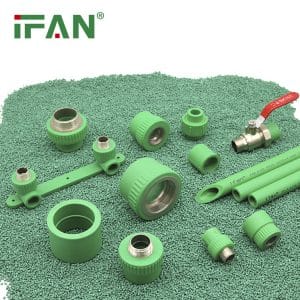
In 2023, the plumbing industry is experiencing a significant shift towards sustainable and eco-friendly solutions. PPR (Polypropylene Random Copolymer), PEX (Cross-Linked Polyethylene), PVC (Polyvinyl Chloride), and HDPE (High-Density Polyethylene) are leading this transformation. Here are the latest trends in these pioneering materials: PPR (Polypropylene Random Copolymer): Leading the Green Plumbing Revolution PPR pipes are at the forefront of sustainable plumbing practices. Crafted from eco-friendly materials, PPR pipes offer remarkable corrosion resistance and a long service life. Their heat fusion technology ensures leak-free connections, making them the ideal choice for water distribution systems while promoting sustainable construction practices. PEX (Cross-Linked Polyethylene): Versatile and Environmentally Responsible PEX tubing continues to be a top choice for environmentally responsible plumbing solutions. Its flexibility, ease of installation, and resistance to corrosion make it a versatile material for various applications. PEX’s energy efficiency and recyclability align perfectly with the industry’s growing demand for green plumbing alternatives. PVC (Polyvinyl Chloride): A Sustainable and Reliable Contender PVC pipes maintain their position as a reliable and sustainable choice for a wide range of applications. PVC’s durability, cost-effectiveness, and potential for recyclability make it an environmentally responsible option for drainage, wastewater, and electrical conduit systems. Advances in PVC formulations are
Read More »
Knowledges

The Growing Popularity of PPR Pipes in Commercial Plumbing

The Growing Popularity of PPR Pipes in Commercial Plumbing In the world of commercial plumbing, choosing the right materials is paramount. Plumbing systems in commercial buildings must be not only efficient but also durable and cost-effective. PPR (Polypropylene Random Copolymer) pipes are gaining immense popularity in commercial plumbing due to their numerous advantages, making them a top choice for business owners and contractors. In this article, we explore how PPR pipes are making a difference in commercial plumbing systems. 1. Exceptional Durability and Longevity One of the primary reasons PPR pipes are preferred in commercial plumbing is their remarkable durability. They are highly resistant to corrosion and chemical reactions, ensuring they can withstand the rigors of heavy use in commercial settings. This means less frequent maintenance and a longer lifespan for the plumbing system, translating to cost savings for business owners. 2. Cost-Efficiency While the initial cost of PPR pipes may be slightly higher than traditional materials, the long-term savings they offer are significant. Reduced maintenance, fewer repairs, and a longer lifespan all contribute to cost-efficiency in commercial plumbing. Business owners appreciate the return on investment that PPR pipes provide. 3. Energy Efficiency The smooth interior surface of PPR pipes

Read More »
Knowledges

Enhancing Home Plumbing Systems with PPR Pipes: A Sustainable Choice

Enhancing Home Plumbing Systems with PPR Pipes: A Sustainable Choice .In the world of residential plumbing, innovation is the name of the game. As people become more conscious of water efficiency and eco-friendly practices, the choice of materials for home plumbing systems becomes a critical decision. In this article, we explore how PPR (Polypropylene Random Copolymer) pipes are revolutionizing residential plumbing by providing sustainable and efficient solutions. 1. Durability and Longevity-Enhancing Home Plumbing Systems with PPR Pipes: A Sustainable Choice One of the primary advantages of PPR pipes in residential plumbing is their exceptional durability. These pipes are highly resistant to corrosion and chemical reactions, ensuring they have a long lifespan. Homeowners can rely on PPR pipes to provide leak-free and maintenance-free service for many years. 2. Water Quality and Safety-Enhancing Home Plumbing Systems with PPR Pipes: A Sustainable Choice PPR pipes are non-toxic and do not leach harmful substances into the water supply. This ensures the water flowing through them remains clean and safe for consumption. Homeowners can have peace of mind knowing that their drinking water is not compromised by the materials used in their plumbing system. 3. Energy Efficiency-Enhancing Home Plumbing Systems with PPR Pipes: A Sustainable

Read More »
Knowledges

Enhancing Water Efficiency in Agriculture with PPR Pipes

Enhancing Water Efficiency in Agriculture with PPR Pipes Agriculture is not only the backbone of many economies but also one of the most resource-intensive industries. As global concerns about water scarcity and sustainability grow, the role of innovative technologies in agriculture becomes increasingly vital. In this article, we delve into how PPR (Polypropylene Random Copolymer) pipes are contributing to water efficiency in agriculture, addressing key challenges. 1. Efficient Irrigation Systems Agriculture’s reliance on water for crop production is well-documented. PPR pipes are now a cornerstone in enhancing irrigation systems’ efficiency. Their durability and resistance to corrosion make them an ideal choice for transporting water from sources to fields. These pipes are commonly used in drip irrigation systems, delivering precise amounts of water directly to the root zones of plants. This method reduces water wastage, minimizes weed growth, and improves crop yields. 2. Water Recycling Sustainable agriculture demands the responsible use of water resources. PPR pipes are integral in creating closed-loop irrigation systems that enable water recycling. After crops are irrigated, excess water is collected and purified. PPR pipes are essential for transporting this treated water back to fields, conserving water resources and reducing agricultural runoff. 3. Precision Agriculture PPR pipes

Read More »
Knowledges

The Green Revolution: PPR Pipes in Sustainable Agriculture

The Green Revolution: PPR Pipes in Sustainable Agriculture The Green Revolution: PPR Pipes in Sustainable Agriculture Polypropylene Random Copolymer (PPR) pipes, commonly known for their applications in plumbing and heating, are making their mark in sustainable agriculture. This article explores how PPR pipes are transforming the agriculture industry, offering eco-friendly solutions to some of the sector’s most pressing challenges. 1. Irrigation Systems Sustainable agriculture relies on efficient irrigation systems. PPR pipes, known for their durability and resistance to chemicals, are ideal for transporting water and fertilizers. They are used in both conventional and drip irrigation systems, ensuring a consistent and reliable water supply to crops. This reduces water wastage and enhances crop yields. 2. Hydroponics and Aquaponics PPR pipes play a crucial role in hydroponics and aquaponics systems, which are gaining popularity for their resource-efficient methods. In hydroponics, PPR pipes deliver nutrient-rich water solutions directly to plant roots. In aquaponics, they circulate water between fish tanks and hydroponic beds, creating a mutually beneficial ecosystem. PPR’s resistance to corrosion is essential in maintaining the integrity of these systems. 3. Greenhouses Greenhouse farming extends growing seasons and increases crop yield, but it also requires a precise control over temperature and humidity. PPR

Read More »
Knowledges

The Environmental Benefits of PPR Pipes: A Sustainable Choice for Plumbing and Heating

The Environmental Benefits of PPR Pipes: A Sustainable Choice for Plumbing and Heating The Environmental Benefits of PPR Pipes: A Sustainable Choice for Plumbing and Heating In an where environmental sustainability is at the forefront of various industries, it’s crucial to make responsible choices when it comes to construction materials. PPR (Polypropylene Random Copolymer) pipes have emerged as a sustainable option for plumbing and heating systems. This article explores the environmental advantages of PPR pipes and why they are considered a green choice for the future. Recyclability and Reduced Carbon Footprint PPR pipes are manufactured from polypropylene, a thermoplastic material that is highly recyclable. In contrast to some other piping materials, PPR pipes can be recycled and used in the production of other plastic products. This recycling process significantly reduces the carbon footprint associated with PPR pipe production. Energy Efficiency in Production The manufacturing process for PPR pipes is energy-efficient. PPR is a type of plastic that requires less energy to produce compared to materials like metal or concrete. The energy savings translate into reduced greenhouse gas emissions, contributing to a more sustainable and eco-friendly piping solution. Longevity and Reduced Waste PPR pipes have a long service life, often exceeding

Read More »
Knowledges

PPR vs. PVC: Choosing the Right Piping Material for Your Project

PPR vs. PVC: Choosing the Right Piping Material for Your Project PPR vs. PVC: Choosing the Right Piping Material for Your Project As the world becomes increasingly environmentally conscious, the choice of materials in various industries is coming under scrutiny. In the plumbing sector, PPR (Polypropylene Random Copolymer) pipes are gaining recognition not only for their functionality but also for their significant environmental benefits. This article explores the eco-friendly advantages of using PPR pipes in plumbing systems. Choosing the appropriate piping material is pivotal in any construction or plumbing project. Two commonly used materials, PPR (Polypropylene Random Copolymer) and PVC (Polyvinyl Chloride), offer distinct advantages and are suited for different applications. This article aims to help you make an informed decision when selecting between PPR and PVC pipes. Understanding PPR and PVC Before we dive into a detailed comparison, let’s understand the fundamentals of PPR and PVC pipes. PPR Pipes PVC Pipes Comparing PPR and PVC Pipes 1. Temperature Resistance 2. Chemical Resistance 3. Installation and Cost 4. Durability and Longevity 5. Application Considerations Conclusion: Making the Right Choice The choice between PPR and PVC pipes depends on the specific requirements of your project. Consider factors like temperature, chemical exposure,

Read More »
Scroll to Top