Whatsapp

+8615088288323

Email

sales24-ifan@ifangroup.com

Address

Address 1:No.18 Xiaguang Road, Diankou Town, Zhuji City, Zhejiang Province
Address 2:No. 3, Central Road, Diankou Town, Zhuji City, Zhejiang Provincea

Category: Knowledges

Knowledges

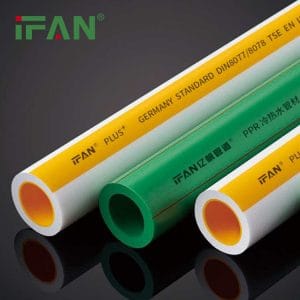
PPR Piping: A Comprehensive Guide to Applications and Installation

Polypropylene Random Copolymer (PPR) pipes have revolutionized the plumbing landscape due to their exceptional properties and versatile applications. This article provides a comprehensive guide to the applications and proper installation of PPR pipes, highlighting their significance in modern plumbing systems. 1. Understanding PPR Pipes 1.1 Composition and Properties PPR pipes are made from a type of polypropylene that contains a random copolymer, providing them with a unique set of properties. These pipes are known for their high temperature and pressure resistance, excellent chemical stability, and long lifespan, making them suitable for a variety of plumbing applications. 1.2 Types of PPR Pipes There are different types of PPR pipes designed for specific purposes, including PPR-C for cold water applications and PPR-FB, which is fiberglass-reinforced for enhanced strength in hot water systems. The selection of the appropriate type depends on the intended use and specific requirements of the plumbing project. 2. Applications of PPR Pipes 2.1 Residential Plumbing PPR pipes are widely used in residential plumbing for both cold and hot water supply. Their smooth inner surface minimizes friction, ensuring a steady flow of water. The corrosion-resistant nature of PPR prevents scaling and extends the life of the plumbing system. 2.2 Industrial
Read More »
Knowledges

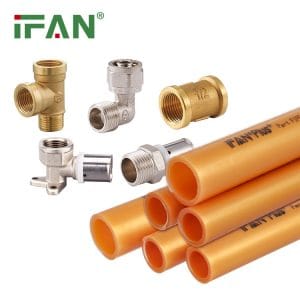
Revolutionizing Water Control: The Rise of PPR Valves in Pipeline Systems

Polypropylene Random Copolymer (PPR) valves have emerged as integral components in modern pipeline systems, offering a range of benefits in terms of durability, efficiency, and versatility. This article delves into the applications and advantages of PPR valves in pipeline industries, shedding light on their transformative role in water control. 1. Overview of PPR Valves PPR valves are part of a comprehensive system that includes pipes and fittings. Composed of a high-quality thermoplastic material, PPR valves are known for their excellent chemical resistance, thermal stability, and low thermal conductivity. These characteristics make them ideal for a wide range of applications, particularly in the transportation of potable water. 2. Applications in Pipeline Systems 2.1 Water Distribution Networks PPR valves are extensively used in water distribution networks, ensuring precise control over the flow of water in residential, commercial, and industrial settings. The corrosion-resistant nature of PPR material enhances the longevity of these valves, making them suitable for continuous water supply systems. 2.2 Heating Systems In addition to cold water applications, PPR valves play a crucial role in heating systems. The material’s ability to withstand high temperatures makes PPR valves suitable for use in underfloor heating systems, radiators, and other applications where controlled heat

Read More »
Knowledges

Advancements in Brass Faucet Technology for Enhanced Water Management

Brass faucets have been a staple in plumbing for their durability and classic aesthetic appeal. However, recent advancements in technology have brought about transformative changes in brass faucet design and functionality. This article explores the latest innovations in brass faucet technology, emphasizing how these advancements contribute to improved water management and user experience. Smart Sensor Technology One of the significant advancements in brass faucets is the integration of smart sensor technology. Smart faucets are equipped with sensors that detect the presence of hands or objects beneath the spout, triggering the water flow. This hands-free operation not only enhances convenience but also promotes water conservation by preventing unnecessary water wastage. Water Flow Control Mechanisms Modern brass faucets come with advanced water flow control mechanisms. Adjustable flow rates and pressure settings allow users to customize water delivery based on their needs. This not only provides a more personalized experience but also contributes to water conservation efforts by minimizing excess water usage. Temperature Control Precision Precision in temperature control is another area of improvement in brass faucets. Advanced thermostatic technology ensures that users can set and maintain their desired water temperature with accuracy. This feature not only enhances comfort but also prevents scalding

Read More »
Knowledges

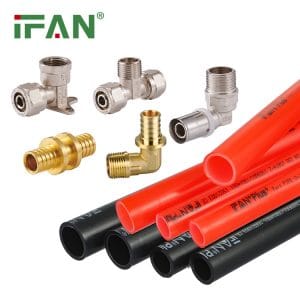
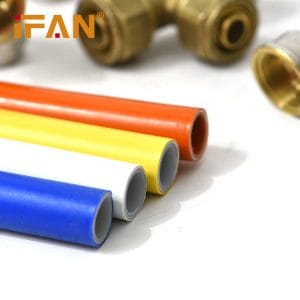
Innovations in PEX Piping for Modern Plumbing Systems

The plumbing industry has witnessed a transformative shift with the introduction of innovative materials and technologies. Among these advancements, PEX (cross-linked polyethylene) piping has gained widespread popularity for its versatility and efficiency in plumbing applications. This article explores the innovations in PEX piping that have revolutionized modern plumbing systems, highlighting key features and benefits. Cross-Linking Technology The defining feature of PEX piping is its cross-linking technology, which enhances its durability and performance. This technology involves chemically linking the polymer chains in the polyethylene material, creating a more robust and heat-resistant structure. This cross-linking process contributes to PEX’s ability to withstand high temperatures and pressures, making it suitable for a variety of plumbing applications. Flexible and Easy to Install One of the notable advantages of PEX piping is its flexibility. PEX pipes can be bent and curved, allowing for easy installation around obstacles without the need for numerous fittings. This flexibility minimizes the risk of leaks at joints and simplifies the installation process, saving time and labor costs. Corrosion Resistance PEX pipes are inherently resistant to corrosion and scale formation. Unlike metal pipes, which may corrode over time, PEX pipes maintain their integrity and smooth inner surface. This corrosion resistance contributes

Read More »
Knowledges

Eco-Friendly Plumbing Materials: PPR, PEX, PVC, and HDPE Paving the Way in 2023

Eco-Friendly Plumbing Materials: PPR, PEX, PVC, and HDPE Paving the Way in 2023 .In 2023, the plumbing industry is undergoing a remarkable transformation, with a strong focus on innovative pipe materials that prioritize sustainability and eco-conscious construction practices. PPR, PEX, PVC, and HDPE are leading the way, offering green solutions to modern construction. Here are the key highlights: 1. Sustainable Plumbing Solutions: PPR Leading the Charge Sustainability is taking center stage in plumbing, with materials like PPR (Polypropylene Random Copolymer) setting new industry standards. These eco-friendly pipes offer exceptional corrosion resistance, a long service life, and ensure leak-free connections. They promote sustainable construction practices while reducing the environmental impact. 2. PEX: Versatile and Environmentally Responsible PEX (Cross-Linked Polyethylene) tubing continues to dominate with its flexibility, corrosion resistance, and easy installation. It aligns perfectly with the industry’s demand for eco-friendly plumbing alternatives, providing energy efficiency and recyclability. 3. PVC’s Resilience and Green Credentials PVC (Polyvinyl Chloride) pipes remain a reliable and sustainable choice for various applications. Their durability, cost-effectiveness, and potential for recyclability make them the eco-conscious option for drainage, wastewater, and electrical conduit systems. 4. HDPE: Shaping Sustainable Infrastructure HDPE (High-Density Polyethylene) pipes are increasingly favored for sustainable infrastructure projects.

Read More »
Knowledges

Green Plumbing Innovations: PPR, PEX, PVC, and HDPE Leading the Way in 2023

Green Plumbing Innovations: PPR, PEX, PVC, and HDPE Leading the Way in 2023 .In 2023, the plumbing industry is undergoing a remarkable transformation with a strong focus on innovative pipe materials that prioritize sustainability and eco-conscious construction practices. PPR, PEX, PVC, and HDPE are at the forefront of this eco-friendly plumbing revolution. Here are the key highlights: 1. Sustainable Plumbing Solutions: PPR Sets the Standard Sustainability is a key focus in plumbing, with materials like PPR (Polypropylene Random Copolymer) leading the way. These eco-friendly pipes offer exceptional corrosion resistance, a longer service life, and ensure leak-free connections. They promote sustainable construction practices while reducing the environmental impact. 2. PEX: Versatile and Environmentally Responsible PEX (Cross-Linked Polyethylene) tubing remains a top choice with its flexibility, corrosion resistance, and easy installation. It aligns perfectly with the industry’s demand for eco-friendly plumbing alternatives, providing both energy efficiency and recyclability. 3. PVC’s Reliability with Green Credentials PVC (Polyvinyl Chloride) pipes continue to be a reliable and sustainable choice for various applications. Their durability, cost-effectiveness, and potential for recyclability make them the eco-conscious option for drainage, wastewater, and electrical conduit systems. 4. HDPE: Shaping Sustainable Infrastructure HDPE (High-Density Polyethylene) pipes are increasingly favored for sustainable

Read More »
Knowledges

2023’s Plumbing Revolution: PPR, PEX, PVC, and HDPE Leading the Green Construction Wave

2023’s Plumbing Revolution: PPR, PEX, PVC, and HDPE Leading the Green Construction Wave .In 2023, the plumbing industry is undergoing a significant transformation, with a strong focus on innovative pipe materials that are reshaping construction practices with sustainability in mind. PPR, PEX, PVC, and HDPE are leading the way in this eco-conscious plumbing revolution. Here are the key highlights: 1. Sustainable Plumbing Solutions: PPR Paving the Path to Green Sustainability is a top priority in plumbing, with materials like PPR (Polypropylene Random Copolymer) taking the lead. These eco-friendly pipes offer exceptional corrosion resistance, an extended service life, and guarantee leak-free connections. They promote sustainable construction practices while minimizing the environmental impact. 2. PEX: Versatile and Environmentally Responsible PEX (Cross-Linked Polyethylene) tubing continues to dominate with its flexibility, corrosion resistance, and easy installation. It aligns perfectly with the industry’s demand for eco-friendly plumbing alternatives, providing energy efficiency and recyclability. 3. PVC’s Resilience and Sustainable Credentials PVC (Polyvinyl Chloride) pipes remain a reliable and sustainable choice for various applications. Their durability, cost-effectiveness, and potential for recyclability make them the eco-conscious option for drainage, wastewater, and electrical conduit systems. 4. HDPE: Shaping Sustainable Infrastructure HDPE (High-Density Polyethylene) pipes are becoming the preferred choice

Read More »
Knowledges

Plumbing’s Eco-Revolution: PPR, PEX, PVC, and HDPE Paving the Way in 2023

Plumbing’s Eco-Revolution: PPR, PEX, PVC, and HDPE Paving the Way in 2023 In 2023, the plumbing industry is experiencing a groundbreaking transformation, with a strong emphasis on innovative pipe materials that prioritize sustainability and eco-conscious construction practices. PPR, PEX, PVC, and HDPE are at the forefront of this green revolution, reshaping the way we approach plumbing in the modern world. Here are the key highlights: 1. Sustainable Plumbing Solutions: Leading the Way Sustainability is a top priority in plumbing, with materials like PPR (Polypropylene Random Copolymer) setting new industry standards. These eco-friendly pipes offer exceptional corrosion resistance, an extended service life, and ensure leak-free connections. They promote sustainable construction practices while reducing the environmental impact. 2. PEX: Versatile and Environmentally Responsible PEX (Cross-Linked Polyethylene) tubing remains the preferred choice with its flexibility, corrosion resistance, and easy installation. It aligns perfectly with the industry’s demand for eco-friendly plumbing alternatives, providing energy efficiency and recyclability. 3. PVC’s Resilience and Green Credentials PVC (Polyvinyl Chloride) pipes continue to be a reliable and sustainable choice for various applications. Their durability, cost-effectiveness, and potential for recyclability make them the eco-conscious option for drainage, wastewater, and electrical conduit systems. 4. HDPE: Shaping a Sustainable Future HDPE

Read More »
Knowledges

Green Plumbing Revolution: PPR, PEX, PVC, and HDPE Transforming Construction in 2023

Green Plumbing Revolution: PPR, PEX, PVC, and HDPE Transforming Construction in 2023 .The year 2023 is witnessing a plumbing industry revolution, with a strong emphasis on innovative pipe materials that are reshaping construction practices with a focus on sustainability. PPR, PEX, PVC, and HDPE are at the forefront of this eco-conscious plumbing transformation. Here are the key highlights: 1. Sustainable Plumbing Solutions: Leading the Way Sustainability is taking center stage in plumbing, with materials like PPR (Polypropylene Random Copolymer) leading the way. These eco-friendly pipes offer exceptional corrosion resistance, extended service life, and guarantee leak-free connections. They not only promote sustainable construction practices but also reduce the environmental footprint. 2. PEX: Versatility with an Eco-Conscious Edge PEX (Cross-Linked Polyethylene) tubing continues to dominate the industry with its flexibility, corrosion resistance, and easy installation. It aligns perfectly with the growing demand for eco-friendly plumbing alternatives, providing both energy efficiency and recyclability. 3. PVC’s Dependability with Environmental Responsibility PVC (Polyvinyl Chloride) pipes maintain their position as a reliable and sustainable choice for various applications. Their durability, cost-effectiveness, and potential for recyclability make them an eco-conscious option for drainage, wastewater, and electrical conduit systems. 4. HDPE: Shaping the Future of Sustainable Infrastructure HDPE

Read More »
Knowledges

Plumbing Innovation in 2023: PPR, PEX, PVC, and HDPE Reshaping Construction

Plumbing Innovation in 2023: PPR, PEX, PVC, and HDPE Reshaping Construction The year 2023 is witnessing a plumbing industry transformation, with a strong focus on innovative pipe materials that are revolutionizing construction practices. From sustainability to advanced technologies, PPR, PEX, PVC, and HDPE are leading the way. Here are the key highlights: 1. Embracing Sustainable Plumbing Solutions Sustainability is paramount in plumbing, with materials like PPR (Polypropylene Random Copolymer) leading the way. These eco-friendly pipes offer exceptional corrosion resistance, a long service life, and ensure leak-free connections. They promote sustainable construction practices and reduce the environmental impact. 2. PEX: The Versatile Champion PEX (Cross-Linked Polyethylene) tubing remains the preferred choice with its flexibility, corrosion resistance, and easy installation. It aligns perfectly with the industry’s demand for eco-friendly plumbing alternatives, providing energy efficiency and recyclability. 3. PVC’s Resilience in Construction PVC (Polyvinyl Chloride) pipes continue to be a reliable and sustainable choice for various applications. Their durability, cost-effectiveness, and potential for recyclability make them the eco-conscious option for drainage, wastewater, and electrical conduit systems. 4. HDPE: Shaping Sustainable Infrastructure HDPE (High-Density Polyethylene) pipes are increasingly favored for sustainable infrastructure projects. With high strength, flexibility, and resistance to chemicals and corrosion, HDPE

Read More »
Scroll to Top