Whatsapp

+8615088288323

Email

sales24-ifan@ifangroup.com

Address

Address 1:No.18 Xiaguang Road, Diankou Town, Zhuji City, Zhejiang Province
Address 2:No. 3, Central Road, Diankou Town, Zhuji City, Zhejiang Provincea

Category: Knowledges

Knowledges

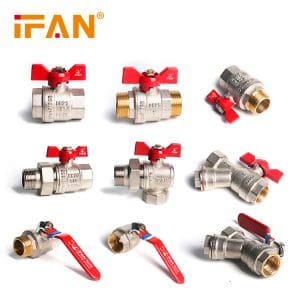
Advancements in Brass Valve Technology: Enhancing Efficiency in Pipeline Systems

Advancements in Brass Valve Technology: Enhancing Efficiency in Pipeline Systems Brass valves have been a cornerstone in pipeline systems, facilitating the control and regulation of fluid flow. In recent years, advancements in brass valve technology have ushered in a new of efficiency and durability. This article explores the key innovations, applications, and benefits of modern brass valves in pipeline systems. 1. Evolution of Brass Valve Design 1.1 Traditional vs. Modern Design Traditional brass valves have served industries well, but modern designs are pushing the boundaries of performance. The integration of advanced materials, precision engineering, and smart technologies is reshaping the landscape. 1.2 Materials and Manufacturing Techniques Modern brass valves alloys with enhanced properties, such as dezincification resistance and improved tensile strength. Manufacturing techniques like precision casting and CNC machining contribute to the production of valves with tight and optimal performance. 2. Applications Across Industries 2.1 Water and Wastewater Management Brass valves play a critical role in water and wastewater management. Their corrosion resistance and longevity make them ideal for controlling the flow in municipal water supply systems and wastewater treatment plants. 2.2 Oil and Gas Industry In the oil and gas sector, brass valves are employed in various capacities, from
Read More »
Knowledges

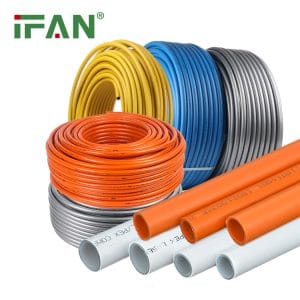
Revolutionizing Pipeline Systems: The Evolution of PEX Tubing

Revolutionizing Pipeline Systems: The Evolution of PEX Tubing: The Impact of Brass Fittings .Brass fittings have emerged as indispensable components in the pipeline industry, playing a crucial role in ensuring secure connections and efficient fluid conveyance. This article delves into the diverse applications, characteristics, and advancements in the use of brass fittings, underscoring their significance in the contemporary pipeline landscape. 1. The Versatility of Brass Fittings 1.1 Brass as the Material of Choice Brass, an alloy of copper and zinc, has become the material of choice for fittings in the pipeline industry. This preference is attributed to brass’s exceptional corrosion resistance, malleability, and durability, making it well-suited for a myriad of applications. 1.2 Types of Brass Fittings The versatility of brass fittings is evident in their various types, including brass couplings, elbows, tees, and adapters. Each type is designed to facilitate specific connection requirements, offering a comprehensive solution for diverse pipeline configurations. 2. Characteristics That Define Brass Fittings 2.1 Corrosion Resistance One of the defining characteristics of brass fittings is their resistance to corrosion. This property ensures the longevity of the fittings, even in environments with varying levels of moisture and chemical exposure. 2.2 High Temperature Tolerance Brass fittings exhibit

Read More »
Knowledges

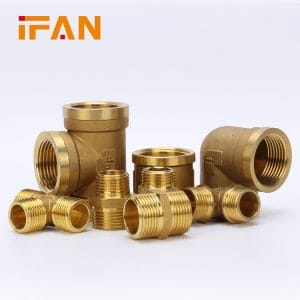
Revolutionizing Pipeline Industry: The Impact of Brass Fittings

Revolutionizing Pipeline Industry: The Impact of Brass Fittings .Brass fittings have emerged as indispensable components in the pipeline industry, playing a crucial role in ensuring secure connections and efficient fluid conveyance. This article delves into the diverse applications, characteristics, and advancements in the use of brass fittings, underscoring their significance in the contemporary pipeline landscape. 1. The Versatility of Brass Fittings 1.1 Brass as the Material of Choice Brass, an alloy of copper and zinc, has become the material of choice for fittings in the pipeline industry. This preference is attributed to brass’s exceptional corrosion resistance, malleability, and durability, making it well-suited for a myriad of applications. 1.2 Types of Brass Fittings The versatility of brass fittings is evident in their various types, including brass couplings, elbows, tees, and adapters. Each type is designed to facilitate specific connection requirements, offering a comprehensive solution for diverse pipeline configurations. 2. Characteristics That Define Brass Fittings 2.1 Corrosion Resistance One of the defining characteristics of brass fittings is their resistance to corrosion. This property ensures the longevity of the fittings, even in environments with varying levels of moisture and chemical exposure. 2.2 High Temperature Tolerance Brass fittings exhibit remarkable tolerance to high temperatures,

Read More »
Knowledges

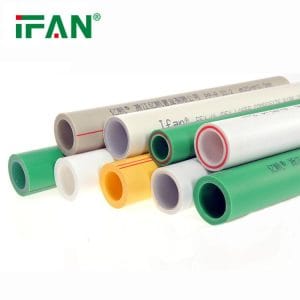
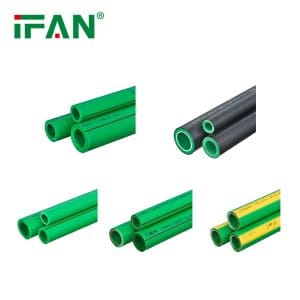
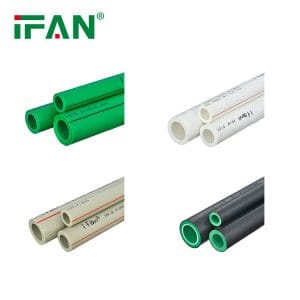
The Evolution of PPR Pipes: A Comprehensive Overview

The Evolution of PPR Pipes: A Comprehensive Overview .Polypropylene Random Copolymer, commonly known as PPR, has emerged as a revolutionary material in the piping industry. This article explores the history, characteristics, and diverse applications of PPR pipes, highlighting their role in modern plumbing systems. 1. Unveiling the Origins of PPR Pipes 1.1 Pioneering Innovations PPR pipes made their debut in the late 20th century, a result of pioneering innovations in polymer science. The unique properties of polypropylene, coupled with advancements in copolymerization techniques, laid the foundation for the development of these high-performance pipes. 1.2 Polypropylene: The Core Material PPR pipes are primarily composed of polypropylene, a thermoplastic polymer renowned for its excellent chemical and heat resistance. The copolymerization process further enhances the material’s flexibility, impact strength, and overall durability. 2. Characteristics That Redefine Plumbing Standards 2.1 Heat Resistance and Insulation One of the standout features of PPR pipes is their exceptional heat resistance. Whether transporting hot water or serving in radiant heating systems, PPR pipes maintain structural integrity under high temperatures. Additionally, their low thermal conductivity contributes to effective insulation. 2.2 Corrosion Resistance Unlike traditional metal pipes susceptible to corrosion, PPR pipes boast impressive corrosion resistance. This characteristic ensures longevity,

Read More »
Knowledges

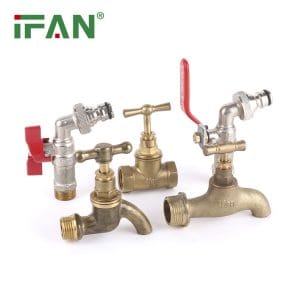
Revolutionizing Plumbing: Exploring the Versatility of Brass Bibcocks in Piping Systems

Revolutionizing Plumbing: Exploring the Versatility of Brass Bibcocks in Piping Systems .Brass bibcocks, often overlooked components in plumbing systems, are instrumental in regulating the flow of liquids. This article delves into the diverse applications, key features, and advantages of brass bibcocks, shedding light on their significance in plumbing infrastructure. 1. Brass Bibcocks: The Unseen Guardians 1.1 Definition and Structure Brass bibcocks, also known as hose bibs or taps, are devices crafted from brass, a copper-zinc alloy. Their fundamental structure consists of a valve mechanism connected to a threaded outlet, allowing the attachment of hoses or pipes. 1.2 Types of Brass Bibcocks From traditional compression bibcocks to modern quarter-turn ball valves, the market offers various types to suit specific needs. Each type caters to different flow control requirements, providing versatility in applications. 2. Applications in Diverse Environments 2.1 Outdoor Watering Systems A prevalent application of brass bibcocks is in outdoor watering systems. Their robust construction withstands exposure to the elements, ensuring a reliable water source for gardens and lawns. 2.2 Residential Plumbing Networks Integrated into residential plumbing networks, brass bibcocks serve as essential components for controlling water flow to external outlets such as garden hoses. Their durability ensures long-lasting performance in

Read More »
Knowledges

Pinnacle of Plumbing Craftsmanship: Unveiling the Applications of PPR Pipes

In the realm of plumbing, Polypropylene Random Copolymer (PPR) pipes stand as a testament to the evolution of plumbing materials. This article delves into the multifaceted applications, characteristics, and advantages of PPR pipes, highlighting their pivotal role in modern plumbing systems. 1. PPR Pipes: A Pioneering Solution 1.1 Composition and Structure PPR pipes are composed of a high-quality thermoplastic material known as polypropylene random copolymer. The random arrangement of propylene units in the polymer chain contributes to its unique properties, making it an ideal material for plumbing. 1.2 Types of PPR Pipes From hot and cold water supply lines to heating systems, PPR pipes come in various types, each tailored to specific applications. Their versatility allows for a broad range of uses in residential, commercial, and industrial settings. 2. Characteristics Enriching Functionality 2.1 Heat Resistance One of the standout features of PPR pipes is their excellent heat resistance. This makes them ideal for hot water applications, ensuring the integrity of the plumbing system even under elevated temperatures. 2.2 Corrosion-Free Durability Unlike metal pipes, PPR pipes are corrosion-resistant, ensuring a long and maintenance-free life. This characteristic is especially valuable in areas with aggressive water conditions. 3. Applications Across Diverse Sectors 3.1

Read More »
Knowledges

Elevating Plumbing Excellence: Exploring the Applications of Brass Faucets

In the dynamic landscape of plumbing, Brass Faucets emerge as key players, bringing both aesthetic appeal and functional excellence to various settings. This article delves into the applications, features, and advantages of Brass Faucets, shedding light on their significance in the plumbing industry. 1. Brass Faucets: Unveiling Their Versatility 1.1 Design Elegance Brass Faucets are revered for their aesthetic appeal. The golden hue of brass imparts a touch of elegance, making these faucets a popular choice in both residential and commercial spaces. 1.2 Types of Brass Faucets From single-handle to widespread faucets, Brass Faucets come in diverse types catering to different preferences and requirements. The versatility in design allows for seamless integration into various plumbing setups. 2. Features Enhancing Functionality 2.1 Durability and Longevity Brass, known for its robust nature, ensures that Brass Faucets withstand the test of time. The durability of the material translates into faucets that can handle frequent use without compromising performance. 2.2 Corrosion Resistance One of the standout features of Brass Faucets is their resistance to corrosion. This is especially crucial in environments with varying water qualities, ensuring the longevity of the faucets. 3. Applications Across Industries 3.1 Residential Spaces In homes, Brass Faucets find their

Read More »
Knowledges

Enhancing Plumbing Systems: The Role of Brass Bibcocks

In the realm of plumbing, the application of Brass Bibcocks has proven to be a pivotal advancement, elevating the efficiency and reliability of fluid control systems. This article delves into the various aspects of Brass Bibcocks, exploring their features, applications, and the impact they have on plumbing industries. 1. Brass Bibcocks: An Overview-Enhancing Plumbing Systems 1.1 Composition and Structure Brass Bibcocks are primarily crafted from brass, a metal alloy known for its corrosion resistance and durability. The bibcock structure typically includes a handle, a spout, and a valve mechanism. 1.2 Types of Bibcocks There are various types of Brass Bibcocks designed to suit different applications. Common types include standard bibcocks, ball bibcocks, and compression bibcocks, each catering to specific plumbing needs. 2. Key Features and Functions-Enhancing Plumbing Systems 2.1 Corrosion Resistance The brass composition imparts excellent corrosion resistance to Bibcocks, making them suitable for prolonged use in diverse plumbing environments. 2.2 Durability and Longevity Brass is known for its durability, and Brass Bibcocks benefit from this quality. They exhibit a longer lifespan compared to bibcocks made from other materials, contributing to cost-effectiveness. 3. Applications in Plumbing Industries-Enhancing Plumbing Systems 3.1 Residential Plumbing Brass Bibcocks find widespread use in residential plumbing

Read More »
Knowledges

Advancements in PEX Tubing: Revolutionizing Plumbing Systems

Advancements in PEX Tubing: Revolutionizing Plumbing Systems In recent years, cross-linked polyethylene (PEX) tubing has emerged as a revolutionary material in the field of plumbing. This article explores the advancements in PEX tubing, its unique features, and the transformative impact it has had on modern plumbing systems. 1. Cross-Linking Technology-Advancements in PEX Tubing: Revolutionizing Plumbing Systems 1.1 Traditional Polyethylene vs. PEX Traditional polyethylene pipes exhibit certain limitations, such as low flexibility and susceptibility to cracking. PEX tubing addresses these issues through cross-linking technology, where polyethylene molecules are linked, resulting in a more durable and flexible material. 1.2 Methods of Cross-Linking PEX tubing is produced using different methods of cross-linking, with the most common being the Engel method and the Silane method. These methods enhance the performance of PEX by improving its resistance to temperature, chemicals, and stress-cracking. 2. Flexibility and Ease of Installation-Advancements in PEX Tubing: Revolutionizing Plumbing Systems 2.1 Enhanced Flexibility One of the key advantages of PEX tubing is its enhanced flexibility. This flexibility allows for easier installation, especially in tight spaces and around corners, reducing the need for additional fittings. 2.2 Cost-Effective Installation PEX tubing is often more cost-effective to install compared to traditional rigid piping. The

Read More »
Knowledges

PPR vs. PVC: Choosing the Right Piping Material for Your Project

When it comes to selecting the right piping material for plumbing projects, Polypropylene Random Copolymer (PPR) and Polyvinyl Chloride (PVC) are two popular choices. Each material comes with its own set of characteristics and advantages. This article aims to provide insights into the differences between PPR and PVC, helping you make an informed decision for your specific application. 1. Composition and Material Properties 1.1 PPR Pipes PPR pipes are made from a type of polypropylene with a random copolymer. This composition imparts excellent chemical resistance, high-temperature stability, and a smooth inner surface that reduces friction, ensuring efficient water flow. 1.2 PVC Pipes PVC pipes are composed of polyvinyl chloride, a versatile plastic known for its durability and chemical resistance. PVC pipes are rigid and strong, making them suitable for various applications, including water supply and drainage. 2. Applications 2.1 PPR Applications PPR pipes are commonly used in both residential and commercial plumbing systems. They are ideal for transporting both hot and cold water and are widely employed in water supply networks, heating systems, and industrial applications where chemical resistance is essential. 2.2 PVC Applications PVC pipes find applications in a variety of settings. They are extensively used for drainage systems,

Read More »
Scroll to Top