Whatsapp

+8615088288323

Email

sales24-ifan@ifangroup.com

Address

Address 1:No.18 Xiaguang Road, Diankou Town, Zhuji City, Zhejiang Province
Address 2:No. 3, Central Road, Diankou Town, Zhuji City, Zhejiang Provincea

Category: Knowledges

Knowledges

Revolutionizing Piping Systems: PPR Tank Connectors in Focus

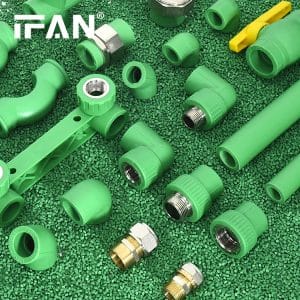
Revolutionizing Piping Systems: PPR Tank Connectors in Focus .In the intricate web of fluid transportation, PPR tank connectors stand out as unsung heroes. These unassuming components play a pivotal role in ensuring the seamless flow and control of liquids within a piping system. This article sheds light on the applications and advantages of PPR tank connectors, unraveling their significance in various industries. 1. Unveiling PPR Tank Connectors 1.1 Precision in Design PPR tank connectors are meticulously designed components that facilitate a secure connection between piping systems and tanks. Their precision-engineered threads and seals ensure a leak-free and robust connection, contributing to the overall efficiency of fluid transport. 1.2 Versatile Material Selection These connectors are often manufactured from polypropylene, a material renowned for its versatility. The use of polypropylene ensures not only durability but also resistance to corrosion and chemical degradation, making PPR tank connectors suitable for a wide range of applications. 2. Key Features and Benefits 2.1 Leak-Free Performance The threaded design of PPR tank connectors, combined with their sealing mechanisms, provides a leak-free performance crucial in applications where the integrity of the fluid being transported is paramount. 2.2 Chemical Resistance The polypropylene construction grants PPR tank connectors excellent resistance
Read More »
Knowledges

Elevating Fluid Transport: The Dynamics of PPR End Caps in Piping Systems

The world of fluid transport undergoes constant advancements, and PPR end caps are at the forefront of this evolution. Often overlooked, these components play a crucial role in ensuring the integrity and efficiency of piping systems. In this article, we delve into the applications and advantages of PPR end caps, exploring their impact on fluid transport systems. 1. Unveiling PPR End Caps 1.1 Advanced Polypropylene Material PPR end caps are crafted from polypropylene, a versatile and durable thermoplastic. This material exhibits excellent resistance to corrosion and chemical degradation, making it a preferred choice for applications in various industries. 1.2 Seamless Integration These end caps are designed for seamless integration into PPR piping systems. Their threaded or socketed ends allow for easy installation, providing a reliable seal that prevents leakage and ensures the controlled flow of fluids within the pipes. 2. Key Features and Benefits 2.1 Corrosion Resistance One of the standout features of PPR end caps is their resistance to corrosion. This property ensures the longevity of piping systems, even in environments with aggressive or corrosive fluids. 2.2 Thermal Stability PPR end caps exhibit remarkable thermal stability. This makes them suitable for applications where the transported fluids might vary in

Read More »
Knowledges

Revolutionizing Pipeline Systems: The Impact of Brass Bibcocks in Fluid Conveyance

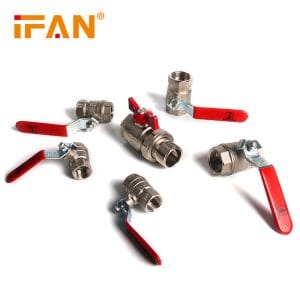
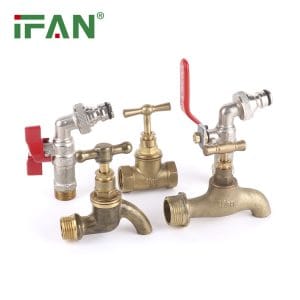
In the ever-evolving landscape of fluid conveyance, the choice of components plays a pivotal role. Brass bibcocks, often underestimated, are instrumental in ensuring efficient and reliable fluid transport systems. This article explores the applications and advantages of brass bibcocks, shedding light on their significant role in fluid conveyance. 1. Brass Bibcocks Unveiled 1.1 Precision Engineering Brass bibcocks are precision-engineered components designed for controlling and regulating the flow of fluids. Crafted from high-quality brass, they boast exceptional durability and resistance to corrosion, ensuring a long and reliable service life. 1.2 Versatility in Applications These components find extensive applications in various industries, including residential plumbing, industrial processes, and agricultural systems. Their adaptability to different environments makes them a preferred choice in diverse fluid conveyance scenarios. 2. Key Features and Benefits 2.1 Corrosion Resistance The inherent corrosion resistance of brass bibcocks is a standout feature. This ensures that, even in harsh environmental conditions or when transporting corrosive fluids, these components maintain their structural integrity. 2.2 Precision Control Brass bibcocks offer precise control over the flow of fluids. This is crucial in applications where accurate regulation is necessary, preventing wastage and ensuring optimal performance of the entire fluid transport system. 3. Applications Across Industries

Read More »
Knowledges

Enhancing Pipeline Efficiency: PEX Pipes in Fluid Transport Applications

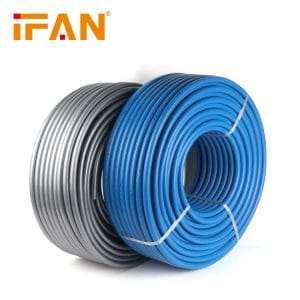
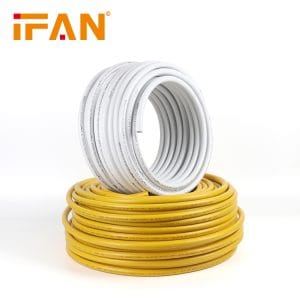
Enhancing Pipeline Efficiency: PEX Pipes in Fluid Transport Applications .in the dynamic landscape of fluid transport, selecting the right materials is paramount. Cross-linked polyethylene, commonly known as PEX, has emerged as a game-changer in the pipeline industry. This article delves into the diverse applications and advantages of PEX pipes, shedding light on their transformative role in fluid transportation. 1. Unveiling the PEX Advantage 1.1 Structural Integrity PEX pipes are renowned for their robust structural integrity. The cross-linking process imparts enhanced strength, making them resistant to cracks, breaks, and deformities, ensuring a reliable fluid transport system. 1.2 Flexibility and Ease of Installation PEX’s inherent flexibility allows for straightforward installation, especially in complex or confined spaces. The ability to bend and curve reduces the need for numerous fittings, contributing to a more efficient and cost-effective installation process. 2. Wide-ranging Applications 2.1 Residential Plumbing PEX pipes have become synonymous with residential plumbing. Their flexibility and durability make them an ideal choice for transporting both hot and cold water within homes, providing a reliable and long-lasting plumbing solution. 2.2 Radiant Heating Systems In the realm of heating systems, PEX pipes shine. They efficiently transport warm water through underfloor heating systems, ensuring uniform heating across

Read More »
Knowledges

Revolutionizing Fluid Transportation: PPR Pipes in Pipeline Applications

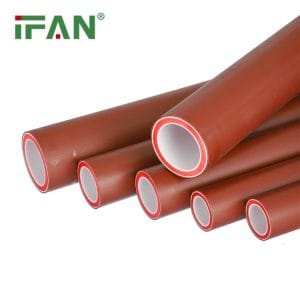
Revolutionizing Fluid Transportation: PPR Pipes in Pipeline Applications The pipeline industry undergoes constant evolution, seeking materials that not only meet but exceed stringent requirements. In this context, Polypropylene Random Copolymer (PPR) pipes have emerged as a versatile and efficient solution. This article explores the diverse applications and advantages of PPR pipes in the realm of fluid transportation. 1. PPR Pipes: A Closer Look 1.1 Material Composition PPR pipes are engineered from a type of polypropylene known as random copolymer. This material exhibits an advantageous blend of properties, including high-temperature resistance and excellent durability, making it ideal for pipeline construction. 1.2 Manufacturing Precision The manufacturing of PPR pipes involves a precision-oriented process. The random copolymer is extruded with precision to create pipes with a uniform structure, minimizing weak points and ensuring consistent performance. 2. Applications Across Industries 2.1 Potable Water Systems PPR pipes have found widespread use in potable water systems. Their non-corrosive nature ensures the purity of transported water, meeting the stringent standards set for drinking water applications. 2.2 Heating Systems In heating applications, PPR pipes excel due to their ability to withstand high temperatures. These pipes provide a reliable and energy-efficient solution for the transportation of hot water in

Read More »
Knowledges

Elevating Plumbing Standards: The Applications and Benefits of PPH Pipes in the Pipeline Industry

Elevating Plumbing Standards: The Applications and Benefits of PPH Pipes in the Pipeline Industry .As the pipeline industry continually seeks advancements to enhance efficiency and durability, PPH (polypropylene homopolymer) pipes have emerged as a game-changer. This article delves into the applications and advantages of PPH pipes, shedding light on their significance in the dynamic landscape of the pipeline sector. 1. PPH Pipes: Unveiling the Construction 1.1 Material Composition PPH pipes are crafted from polypropylene homopolymer, a thermoplastic with exceptional chemical resistance and robust mechanical properties. This unique material composition forms the basis of their versatility and durability. 1.2 Manufacturing Process The extrusion and injection molding processes are commonly employed in crafting PPH pipes. This results in a seamless and uniform structure, ensuring the pipes’ reliability in demanding pipeline applications. 2. Diverse Applications in Pipeline Industry 2.1 Chemical Conveyance PPH pipes are widely employed in the conveyance of chemicals. Their inherent resistance to corrosive substances makes them an ideal choice for transporting a variety of chemicals without compromising the integrity of the pipeline. 2.2 Industrial Water Systems In industrial settings, where robust water systems are paramount, PPH pipes shine. They resist scaling and deposits, maintaining a consistent flow of water critical

Read More »
Knowledges

Revolutionizing Fluid Dynamics: The Versatility of PEX Pipes in Modern Plumbing

Revolutionizing Fluid Dynamics: The Versatility of PEX Pipes in Modern Plumbing .Modern plumbing demands innovation and reliability, and one material that has significantly contributed to meeting these requirements is PEX (cross-linked polyethylene). This article explores the versatile applications of PEX pipes, highlighting their unique features and widespread use in the plumbing industry. 1. PEX Pipes: An Overview 1.1 Composition and Structure PEX pipes are made from cross-linked polyethylene, a high-density polymer renowned for its flexibility and resilience. The cross-linking process enhances the material’s strength and durability, making PEX pipes suitable for a wide range of applications. 1.2 Types of PEX Pipes There are three main types of PEX pipes: PEX-A, PEX-B, and PEX-C. Each type has distinct characteristics, such as flexibility, ease of installation, and cost-effectiveness, catering to various plumbing needs. 2. Residential Plumbing Applications 2.1 Potable Water Systems One of the primary applications of PEX pipes in residential settings is for potable water supply. Their flexibility allows for easy installation, reducing the need for complex joint systems and minimizing the risk of leaks. 2.2 Radiant Floor Heating PEX pipes excel in radiant floor heating systems. Their flexibility enables them to navigate through intricate spaces, ensuring efficient heat distribution. This

Read More »
Knowledges

Revolutionizing Fluid Dynamics: The Impact of PVC Pipes in Diverse Industries

Fluid transport systems are the lifeblood of various industries, and the choice of piping material significantly influences their efficiency. This article delves into the applications, benefits, and advancements of PVC (polyvinyl chloride) pipes, elucidating their transformative role in diverse industrial sectors. 1. Unveiling PVC Pipes 1.1 Composition and Structure PVC pipes, derived from the polymerization of vinyl chloride monomers, boast a unique molecular structure. This structure not only imparts strength and durability but also allows for easy customization, making PVC pipes a versatile choice for a multitude of applications. 1.2 Types of PVC Pipes PVC pipes are available in various types, including rigid PVC (RPVC) and flexible PVC (FPVC). RPVC is suitable for pressurized systems, while FPVC, characterized by its flexibility, finds applications in non-pressure plumbing and electrical conduits. 2. Applications Across Industries 2.1 Water Supply Systems PVC pipes are extensively used in water supply systems. Their smooth interior surface ensures efficient water flow, and they are resistant to corrosion, ensuring the delivery of clean and uncontaminated water. 2.2 Chemical Industries In chemical processing, where resistance to corrosive substances is paramount, PVC pipes shine. Their inert nature makes them ideal for transporting various chemicals without the risk of degradation or

Read More »
Knowledges

Optimizing Fluid Transport: The Role of PEX Pipes in Modern Piping Systems

Optimizing Fluid Transport: The Role of PEX Pipes in Modern Piping Systems In the realm of fluid transport, the choice of piping systems plays a crucial role in ensuring efficiency, durability, and cost-effectiveness. This article explores the applications, advantages, and future trends of PEX (cross-linked polyethylene) pipes, shedding light on their transformative impact on modern piping systems. 1. Understanding PEX Pipes 1.1 Structure and Composition PEX pipes are a type of flexible plastic piping material made from cross-linked polyethylene. This unique molecular structure imparts exceptional durability and flexibility, making PEX a popular choice in a variety of fluid transport applications. 1.2 Types of PEX Pipes There are three main types of PEX pipes: PEX-A, PEX-B, and PEX-C. Each type has its specific advantages, such as enhanced flexibility, affordability, or ease of installation, catering to the diverse needs of different industries. 2. Advantages Across Industries 2.1 Residential Plumbing In residential plumbing, PEX pipes have gained widespread acceptance due to their flexibility and ease of installation. They are particularly suitable for retrofitting projects, where navigating existing structures requires a more adaptable piping material. 2.2 Heating Systems PEX pipes excel in radiant heating systems. Their flexibility allows for efficient installation in floors, providing

Read More »
Knowledges

Revolutionizing Fluid Conveyance: The Unrivaled Applications of Brass Valves in Industrial Pipelines

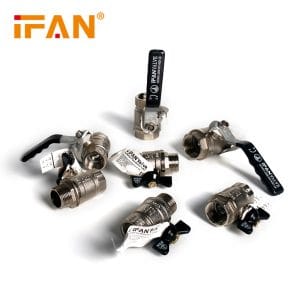
Revolutionizing Fluid Conveyance: The Unrivaled Applications of Brass Valves in Industrial Pipelines In the dynamic landscape of industrial fluid conveyance, brass valves emerge as stalwart components, facilitating seamless in various sectors. This article delves into the myriad applications, distinctive advantages, and innovative adaptations of brass valves, shedding light on their pivotal role in optimizing fluid conveyance across diverse industrial settings. 1. The Brass Advantage 1.1 Durability and Reliability At the heart of the brass valve’s superiority lies its durability and reliability. Constructed from a blend of copper and zinc, brass exhibits excellent corrosion resistance, ensuring a prolonged service life even in the most aggressive industrial environments. 1.2 and Pressure Moreover, brass valves excel in managing extreme and pressures. Their inherent strength allows them to function seamlessly in applications where maintaining precise control over fluid flow is not just important but critical. 2. Key Applications Across Industries 2.1 Petrochemical Sector In the petrochemical sector, brass valves find application in the control and regulation of fluid flow in pipelines transporting various chemicals. Their resistance to corrosion is especially valuable in this context, preventing the degradation of valve performance over time. 2.2 Water Treatment Facilities Similarly, water treatment facilities brass valves for their

Read More »
Scroll to Top