Whatsapp

+8615088288323

Email

sales24-ifan@ifangroup.com

Address

Address 1:No.18 Xiaguang Road, Diankou Town, Zhuji City, Zhejiang Province
Address 2:No. 3, Central Road, Diankou Town, Zhuji City, Zhejiang Provincea

Category: Knowledges

Knowledges

Revolutionizing Fluid Conveyance: The Impact of CPVC Pipes in Diverse Industries

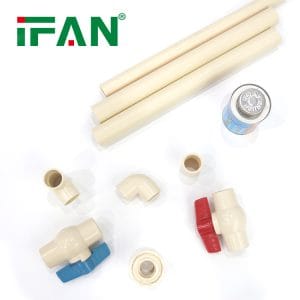
Revolutionizing Fluid Conveyance: The Impact of CPVC Pipes in Diverse Industries .In the dynamic realm of fluid conveyance, the choice of materials plays a pivotal role in determining the efficiency and durability of the system. Chlorinated Polyvinyl Chloride, commonly known as CPVC, has emerged as a versatile solution with widespread applications. This article explores the characteristics, applications, and advancements of CPVC pipes, shedding light on how they have revolutionized fluid transport across diverse industries. 1. Unveiling the Chemistry: CPVC Composition and Properties-Revolutionizing Fluid Conveyance: The Impact of CPVC Pipes in Diverse Industries 1.1 Chlorination for Enhanced Performance CPVC is a thermoplastic produced by the chlorination of PVC (Polyvinyl Chloride). This process enhances the material’s ability to withstand higher temperatures, making CPVC suitable for a broader range of applications, especially those involving hot water transport. 1.2 Heat Resistance and Fire Retardancy The chlorination process imparts remarkable heat resistance to CPVC. This material can handle elevated temperatures, making it ideal for applications such as hot water distribution. Additionally, CPVC is inherently fire-retardant, ensuring safety in various settings. 2. Applications Across Industries 2.1 Residential Plumbing Systems CPVC pipes have become integral to residential plumbing systems. Their ability to handle both hot and cold
Read More »
Knowledges

Revolutionizing Fluid Conveyance: The Role of PEX Piping in Modern Industries

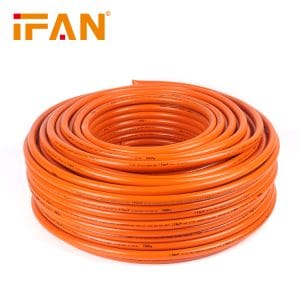
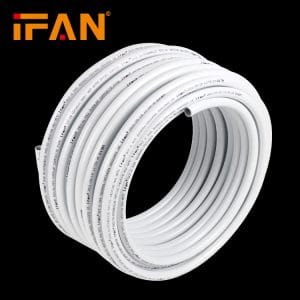
Revolutionizing Fluid Conveyance: The Role of PEX Piping in Modern Industries .In the landscape of fluid conveyance, the utilization of innovative materials is paramount to ensure efficiency, durability, and adaptability. Cross-linked polyethylene, commonly known as PEX, has emerged as a game-changer in the piping industry. This article delves into the applications, benefits, and advancements in PEX piping, exploring how it has redefined fluid transport across various sectors. 1. Unveiling the Strength: Composition and Structure 1.1 Polyethylene Reinvention PEX represents a transformation in polyethylene. Through cross-linking, the polymer chains are bonded, resulting in a three-dimensional network that enhances the material’s strength, flexibility, and resistance to temperature extremes. 1.2 Multilayer Mastery PEX pipes often feature a multilayered structure. The inner layer, in direct contact with the fluid, ensures purity and resistance to corrosion. The middle layer provides strength, and the outer layer shields against environmental factors, fostering longevity. 2. Applications Across Diverse Industries 2.1 Residential Plumbing Solutions In residential construction, PEX has become synonymous with modern plumbing solutions. Its flexibility allows for easy installation, reducing the need for complex joints. Additionally, PEX is resistant to scale buildup, ensuring a consistent flow of water over time. 2.2 Radiant Heating Systems PEX’s ability to

Read More »
Knowledges

Elevating Pipeline Integrity: The Impact of PPR Valves in Fluid Control Systems

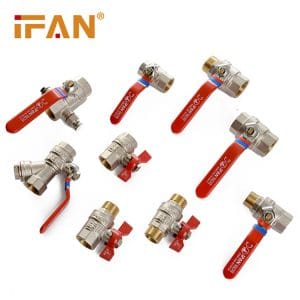
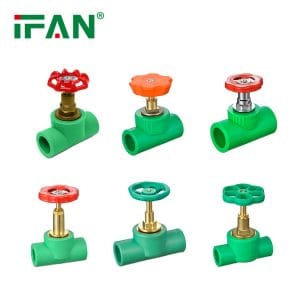
Elevating Pipeline Integrity: The Impact of PPR Valves in Fluid Control Systems .Fluid control systems play a pivotal role in various industries, ensuring the seamless flow and regulation of liquids. Polypropylene Random Copolymer (PPR) valves, distinguished by their composition and design, have become integral components in achieving precision and reliability in fluid control. This article explores the applications, advantages, and innovations surrounding PPR valves. 1. Unveiling the Core: Composition and Design 1.1 Polypropylene Prowess PPR valves inherit the robust characteristics of polypropylene. This material imparts a unique combination of chemical resistance, durability, and thermal stability, making PPR valves ideal for a spectrum of applications. 1.2 Precision in Design The design of PPR valves prioritizes precision. Whether it’s a ball valve, gate valve, or check valve, the seamless integration of moving parts ensures efficient fluid control. Minimal friction, reduced wear, and longevity characterize the operational life of PPR valves. 2. Applications Across Industries 2.1 Municipal Water Management In municipal water supply systems, PPR valves shine. Their resistance to corrosion and scale deposition ensures the longevity of valves in critical water distribution networks. Additionally, the ease of installation and maintenance minimizes disruptions in service. 2.2 Chemical Processing* PPR valves find a natural

Read More »
Knowledges

Revolutionizing Fluid Dynamics: The Power of PPR Pipes in Modern Piping Systems

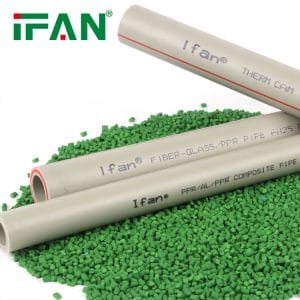
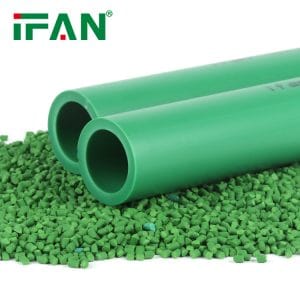
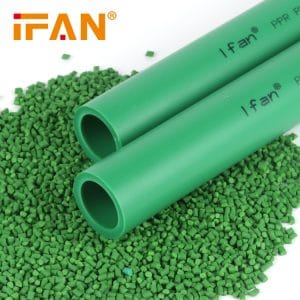
Revolutionizing Fluid Dynamics: The Power of PPR Pipes in Modern Piping Systems .In the dynamic arena of plumbing and fluid transportation, Polypropylene Random Copolymer (PPR) pipes have emerged as revolutionary components. This article delves into the attributes, applications, and benefits that position PPR pipes as the vanguards of modern piping systems. 1. Unraveling the Composition: Anatomy of PPR Pipes-Revolutionizing Fluid Dynamics 1.1 The Polymer Marvel At the core of PPR pipes lies a sophisticated blend of polypropylene and a copolymer, a fusion that gifts these pipes a unique amalgamation of strength, flexibility, and chemical resistance. This composition ensures longevity and robustness in diverse environments. 1.2 Seamless Welding Joints PPR pipes boast a distinct advantage in their jointing mechanism. Heat fusion welding creates seamless connections, eliminating the need for additional adhesives or solvents. This not only enhances structural integrity but also minimizes the risk of leaks. 2. Navigating the Landscape of Applications 2.1 Residential Elegance PPR pipes have gracefully entered residential plumbing scenarios. Their lightweight nature, coupled with easy installation, makes them a preferred choice for transporting potable water. The absence of scaling and corrosion ensures the purity of the conveyed water. 2.2 Industrial Prowess The adaptability of PPR pipes extends

Read More »
Knowledges

Unveiling the Elegance of Brass Ball Valves in Piping Systems

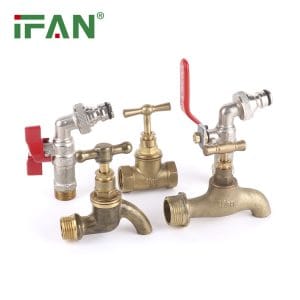
Unveiling the Elegance of Brass Ball Valves in Piping Systems .In the intricate world of plumbing and fluid control, Brass Ball Valves emerge as elegant solutions that seamlessly balance functionality, durability, and versatility. This article navigates through the unique features, applications, and advantages that make Brass Ball Valves indispensable components in various piping systems. 1. Mastering the Art: Anatomy of Brass Ball Valves 1.1 Composition and Craftsmanship Brass Ball Valves are meticulously crafted from high-quality brass, a copper-zinc alloy. 1.2 The Sphere of Control At the heart of Brass Ball Valves lies a perforated, spherical brass ball. 2. The Versatility of Brass Ball Valves-Unveiling the Elegance of Brass Ball Valves in Piping Systems 2.1 Residential Plumbing Marvels In residential plumbing, Brass Ball Valves play a pivotal role. They are commonly employed in household water supply systems, providing homeowners with an efficient means to control water flow to different fixtures and appliances. 2.2 Industrial Symphony Beyond residential settings, the robustness of Brass Ball Valves finds its resonance in industrial applications. These valves are integral in managing the flow of diverse fluids in industrial complexes, from water and gas to corrosive chemicals. 3. The Dance of Efficiency and Durability-Unveiling the Elegance of

Read More »
Knowledges

Revolutionizing Pipe Systems: The Prowess of PPR Pipes

Revolutionizing Pipe Systems: The Prowess of PPR Pipes In the evolution of plumbing, Polypropylene Random Copolymer (PPR) pipes have emerged as a revolutionary force, redefining the standards of durability, versatility, and efficiency in pipe systems. This article delves into the distinctive features, applications, and benefits that position PPR pipes as a frontrunner in modern plumbing. 1. Understanding the Core of PPR Pipes 1.1 Composition PPR pipes are crafted from a type of thermoplastic known as polypropylene random copolymer. This unique material imparts a spectrum of qualities to the pipes, making them resilient to high temperatures, corrosion-resistant, and conducive to a variety of plumbing applications. 1.2 Construction and Types PPR pipes come in various types, including straight pipes and those with different layers for enhanced insulation. The fusion welding technique used in their construction ensures a seamless and leak-proof connection, adding to their reliability. 2. The Advantages that Propel PPR Pipes 2.1 Thermal Resistance A standout feature of PPR pipes is their remarkable thermal resistance. Whether conveying hot or cold water, these pipes maintain their structural integrity, making them ideal for applications where temperature variations are frequent. 2.2 Corrosion-Free Assurance Unlike traditional metal pipes, PPR pipes are inherently resistant to corrosion.

Read More »
Knowledges

Elevating Plumbing Standards: The Remarkable Impact of Brass Fittings

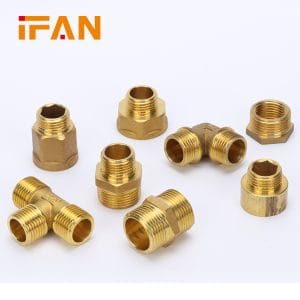
Elevating Plumbing Standards: The Remarkable Impact of Brass Fittings In the intricate web of plumbing systems, the role of fittings is paramount, and brass fittings, in particular, have emerged as stalwarts in ensuring robust and reliable connections. This article explores the diverse applications, characteristics, and advantages that make brass fittings indispensable in modern plumbing. 1. Brass Fittings Unveiled-Elevating Plumbing Standards: The Remarkable Impact of Brass Fittings 1.1 Alloy Composition At the core of brass fittings is a composition of copper and zinc, creating an alloy renowned for its durability and corrosion resistance. The careful balance of these elements gives brass its unique properties, making it a preferred choice in plumbing applications. 1.2 Types of Brass Fittings The versatility of brass fittings is evident in the myriad of types available. From brass elbows and tees to couplings and valves, the range caters to various plumbing needs. Each type is designed with precision, ensuring a seamless fit and optimal performance. 2. Advantages that Shine Bright 2.1 Corrosion Resistance Brass fittings exhibit exceptional resistance to corrosion, a crucial attribute for plumbing systems that often come into contact with water. This resistance enhances the longevity of fittings, contributing to the overall durability of the

Read More »
Knowledges

Revolutionizing Plumbing: PEX Pipes in Modern Construction

Revolutionizing Plumbing: PEX Pipes in Modern Construction The construction industry has witnessed a paradigm shift with the introduction of cross-linked polyethylene (PEX) pipes. This article delves into the applications, features, and advantages of PEX pipes, highlighting their transformative impact on plumbing systems. 1. Unveiling the Essence of PEX Pipes-Revolutionizing Plumbing: PEX Pipes in Modern Construction 1.1 Molecular Structure At the heart of PEX pipes lies a cross-linked structure achieved through a chemical process. This structure imparts remarkable strength and flexibility to the pipes, allowing them to withstand high pressure and temperature variations. 1.2 Types of PEX Pipes PEX pipes come in three distinct types: PEX-A, PEX-B, and PEX-C. Each type offers specific advantages, catering to diverse plumbing needs. PEX-A, for instance, boasts enhanced flexibility, while PEX-B excels in cost-effectiveness. 2. Key Advantages Driving Adoption 2.1 Flexibility and Ease of Installation One of the primary advantages of PEX pipes is their flexibility, enabling easy installation around corners and obstacles. Their lightweight nature reduces the need for extensive fittings, contributing to quicker and more cost-effective installations. 2.2 Resistance to Corrosion and Freezing* PEX pipes are inherently resistant to corrosion and freezing, ensuring longevity in diverse environments. This resistance to common plumbing issues

Read More »
Knowledges

Unlocking Industry Potential: PPR Pipes in Modern Piping Systems

Unlocking Industry Potential: PPR Pipes in Modern Piping Systems .In the ever-evolving landscape of piping systems, Polypropylene Random Copolymer (PPR) pipes have emerged as a versatile and efficient solution. This article explores the applications, features, and benefits of PPR pipes, underscoring their pivotal role in modern industrial setups. 1. Understanding PPR Pipes-Unlocking Industry Potential: PPR Pipes in Modern Piping Systems 1.1 Composition and Structure PPR pipes are composed of a unique blend of polypropylene polymers, ensuring a robust yet flexible structure. The fusion of random copolymers lends them exceptional thermal and chemical resistance. 1.2 Joining Techniques One of the distinctive features of PPR pipes is their jointing methods. Whether it’s through socket fusion welding, electrofusion welding, or even mechanical fittings, these pipes offer a range of options for secure and leak-free connections. 2. Advantages Fueling Adoption 2.1 Corrosion Resistance In environments where corrosion poses a constant threat to traditional metal pipes, PPR pipes stand out. Their inherent resistance to corrosion ensures longevity and reliability, even in aggressive chemical settings. 2.2 Thermal Insulation* PPR pipes exhibit excellent thermal insulation properties, making them a preferred choice for conveying hot or cold fluids. This characteristic not only enhances energy efficiency but also contributes

Read More »
Knowledges

Elevating Piping Efficiency: The Role of PPR Ball Valves in Industry

Elevating Piping Efficiency: The Role of PPR Ball Valves in Industry Within the intricate network of piping systems, PPR ball valves emerge as critical components, orchestrating the control and direction of fluid flows. This article delves into the applications and advantages of PPR ball valves, shedding light on their significance in various industries. 1. Decoding PPR Ball Valves-Elevating Piping Efficiency: The Role of PPR Ball Valves in Industry 1.1 Mechanism and Function PPR ball valves operate on a simple yet effective mechanism. A spherical closure within the valve controls the flow of fluids. When the valve is open, the sphere allows for unimpeded flow, and when closed, it restricts or stops the flow. 1.2 Material Excellence These valves are commonly constructed with polypropylene, a material revered for its resilience and chemical resistance. This material choice ensures that PPR ball valves can withstand diverse fluid compositions without succumbing to corrosion. 2. Salient Features and Advantages 2.1 Rapid Operation One of the notable advantages of PPR ball valves is their quick and precise operation. The 90-degree turn of the handle provides immediate control over the flow, allowing for swift adjustments in fluid direction or shut-off. 2.2 Minimal Maintenance Due to their robust

Read More »
Scroll to Top