Whatsapp

+8615088288323

Email

sales24-ifan@ifangroup.com

Address

Address 1:No.18 Xiaguang Road, Diankou Town, Zhuji City, Zhejiang Province
Address 2:No. 3, Central Road, Diankou Town, Zhuji City, Zhejiang Provincea

Category: Knowledges

Knowledges

Revolutionizing Fluid Control: The Unrivaled Prowess of PEX Pipes in Plumbing Systems

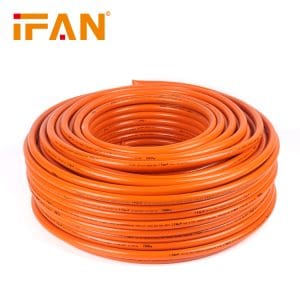
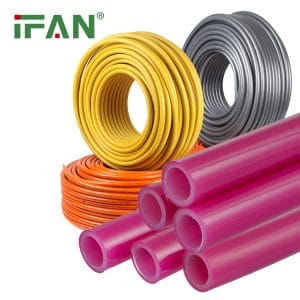
Revolutionizing Fluid Control: The Unrivaled Prowess of PEX Pipes in Plumbing Systems .In the realm of plumbing, PEX (cross-linked polyethylene) pipes have emerged as a revolutionary force, transforming the landscape of fluid conveyance in residential and commercial structures. This article delves into the distinctive features, applications, and advantages of PEX pipes, shedding light on why they are increasingly becoming the preferred choice for modern plumbing systems. 1. PEX Pipes: Unveiling the Innovation 1.1 Cross-Linking Technology PEX pipes derive their name from the cross-linked polyethylene material they are composed of. The cross-linking process enhances the structural integrity of the polymer, imparting flexibility and resilience to the pipes. 1.2 Types of PEX Pipes There are three main types of PEX pipes: PEX-A, PEX-B, and PEX-C. Each type is manufactured using different methods, resulting in variations in flexibility, durability, and cost. 2. Versatility in Applications 2.1 Residential Plumbing PEX pipes have found widespread use in residential plumbing systems. Their flexibility allows for easy installation, even in tight spaces, reducing the complexity and time involved in plumbing projects. 2.2 Radiant Heating Systems The excellent heat resistance of PEX pipes makes them ideal for radiant floor heating systems. They efficiently distribute warm water beneath the
Read More »
Knowledges

Elevating Hygiene Standards: The Impact of Brass Valves on Piping Systems

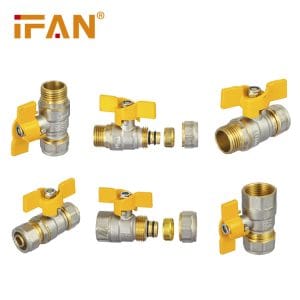
Elevating Hygiene Standards: The Impact of Brass Valves on Piping Systems .Piping systems are the lifeblood of any infrastructure, and the components within these systems play a crucial role in determining their efficiency and durability. Brass valves, in particular, have stood the test of time as reliable components in plumbing and industrial applications. This article explores the characteristics, applications, and advantages of brass valves in piping systems, emphasizing their significant impact on maintaining high hygiene standards. 1. Brass Valves: An Overview 1.1 Alloy Composition Brass valves are predominantly made from an alloy of copper and zinc. This composition grants them a unique set of properties, including excellent corrosion resistance and malleability. 1.2 Types of Brass Valves There are various types of brass valves, each designed for specific functions. These include ball valves, gate valves, check valves, and globe valves, providing a versatile range for different applications. 2. Applications in Piping Systems 2.1 Water Distribution Networks Brass valves are extensively used in water distribution systems, ensuring precise control of water flow. Their durability and resistance to corrosion make them ideal for both residential and commercial water supply networks. 2.2 Industrial Processes In industrial settings, where precise control of fluids is paramount,

Read More »
Knowledges

Enhancing Water Quality: The Role of PEX Piping Systems in Plumbing

Enhancing Water Quality: The Role of PEX Piping Systems in Plumbing .In the realm of plumbing systems, the choice of piping material significantly influences water quality and overall system performance. Cross-linked polyethylene, commonly known as PEX, has emerged as a popular choice in the construction industry. This article delves into the features, applications, and benefits of PEX piping systems, emphasizing their role in enhancing water quality. 1. What is PEX? 1.1 Cross-Linked Polyethylene Structure PEX is a flexible plastic material that results from the cross-linking of polyethylene molecules. This cross-linking process enhances the material’s strength, durability, and resistance to high temperatures and pressures. 1.2 Types of PEX There are three main types of PEX: PEX-A, PEX-B, and PEX-C. Each type has distinct characteristics, such as flexibility and ease of installation, providing options for different plumbing requirements. 2. Applications in Plumbing 2.1 Residential Plumbing Systems PEX has gained widespread acceptance in residential plumbing due to its flexibility and ease of installation. It is commonly used for water supply lines, contributing to a simplified and efficient plumbing infrastructure. 2.2 Commercial and Industrial Applications In addition to residential use, PEX finds applications in commercial and industrial settings. Its adaptability to various plumbing configurations

Read More »
Knowledges

PPR vs. PVC: Choosing the Right Piping System for Your Project

PPR vs. PVC: Choosing the Right Piping System for Your Project .Polypropylene Random Copolymer (PPR) piping systems have emerged as a sustainable and forward-looking solution for modern infrastructure projects. This article delves into the environmental benefits, cost-effectiveness, and ease of installation that make PPR pipes an attractive choice for the construction industry. 1. Eco-Friendly Material Choice 1.1 Recyclability PPR is an eco-friendly material due to its high recyclability. Unlike some traditional piping materials, PPR pipes can be recycled efficiently, contributing to a reduction in overall environmental impact. 1.2 Low Carbon Footprint The manufacturing process of PPR pipes generates a relatively low carbon footprint compared to other materials. This aligns with the growing emphasis on sustainable and green construction practices. 2. Cost-Effective Installation and Maintenance 2.1 Lightweight Nature PPR pipes are lightweight, making them easier to handle during transportation and installation. The reduced weight not only cuts down on transportation costs but also simplifies the overall installation process. 2.2 Fusion Welding Efficiency The heat fusion welding technique used in PPR systems results in seamless joints. This efficiency in jointing significantly reduces the chances of leaks, lowering the need for maintenance over the lifespan of the piping system. 3. Energy Efficiency in

Read More »
Knowledges

PPR Piping Systems: A Sustainable Solution for Modern Infrastructure

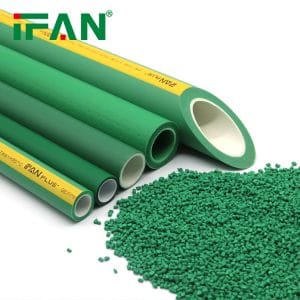
PPR Piping Systems: A Sustainable Solution for Modern Infrastructure .Polypropylene Random Copolymer (PPR) piping systems have emerged as a sustainable and forward-looking solution for modern infrastructure projects. This article delves into the environmental benefits, cost-effectiveness, and ease of installation that make PPR pipes an attractive choice for the construction industry. 1. Eco-Friendly Material Choice 1.1 Recyclability PPR is an eco-friendly material due to its high recyclability. Unlike some traditional piping materials, PPR pipes can be recycled efficiently, contributing to a reduction in overall environmental impact. 1.2 Low Carbon Footprint The manufacturing process of PPR pipes generates a relatively low carbon footprint compared to other materials. This aligns with the growing emphasis on sustainable and green construction practices. 2. Cost-Effective Installation and Maintenance 2.1 Lightweight Nature PPR pipes are lightweight, making them easier to handle during transportation and installation. The reduced weight not only cuts down on transportation costs but also simplifies the overall installation process. 2.2 Fusion Welding Efficiency The heat fusion welding technique used in PPR systems results in seamless joints. This efficiency in jointing significantly reduces the chances of leaks, lowering the need for maintenance over the lifespan of the piping system. 3. Energy Efficiency in Operation 3.1

Read More »
Knowledges

Innovative Applications of PPR Piping Systems: Beyond Conventional Plumbing

Innovative Applications of PPR Piping Systems: Beyond Conventional Plumbing .Polypropylene Random Copolymer (PPR) pipes have transcended their traditional role in plumbing, finding innovative applications across various industries. This article explores the versatility of PPR piping systems, shedding light on their unconventional uses and the benefits they bring to diverse sectors. 1. PPR Piping System Basics 1.1 Composition and Structure PPR pipes are composed of a type of polypropylene that includes a random copolymer. This imparts a high level of structural integrity and thermal stability to the pipes, making them suitable for a range of applications. 1.2 Fusion Welding Technology One of the defining features of PPR piping systems is the use of heat fusion welding for jointing. This results in seamless connections, eliminating the risk of leakage and enhancing the overall reliability of the system. 2. Unconventional Applications in Industrial Settings 2.1 Chemical Processing Plants PPR piping systems have gained traction in chemical processing plants where resistance to corrosive chemicals is paramount. The material’s inert nature makes it an ideal choice for conveying a variety of chemicals without the risk of degradation. 2.2 Food Processing Facilities Due to its non-toxic and food-grade characteristics, PPR piping finds applications in food processing

Read More »
Knowledges

Revolutionizing Pipeline Connectivity: The Rise of PEX Pipes

Revolutionizing Pipeline Connectivity: The Rise of PEX Pipes .In the dynamic landscape of pipeline technologies, Cross-linked Polyethylene (PEX) pipes have emerged as a revolutionary solution, transforming the way we think about fluid conveyance systems. This article explores the characteristics, applications, and advantages of PEX pipes, highlighting their growing significance in various industries. 1. Unveiling the Distinctive Features of PEX Pipes-Revolutionizing Pipeline Connectivity: The Rise of PEX Pipes 1.1 Cross-Linked Structure PEX pipes derive their name from the cross-linking process used in their manufacturing. This process involves chemically joining individual polymer chains, creating a robust and flexible structure that enhances the pipes’ durability and resilience. 1.2 Flexibility and Bendability Unlike traditional rigid pipes, PEX pipes offer exceptional flexibility and bendability. This characteristic simplifies installation processes, especially in applications where navigating complex spaces or curves is required. 2. Applications Across Diverse Industries-Revolutionizing Pipeline Connectivity: The Rise of PEX Pipes 2.1 Residential Plumbing One of the primary applications of PEX pipes is in residential plumbing systems. Their flexibility makes them ideal for retrofitting existing structures, and their resistance to scale build-up ensures consistent water flow over time. 2.2 Hydronic Heating Systems PEX pipes are gaining popularity in hydronic heating systems. Their ability to

Read More »
Knowledges

Enhancing Pipeline Integrity: The Crucial Role of Brass Fittings

Enhancing Pipeline Integrity: The Crucial Role of Brass Fittings .In the intricate network of pipeline systems, the significance of durable and reliable components cannot be overstated. Brass fittings emerge as key players in ensuring pipeline integrity. This article delves into the characteristics, applications, and advantages of brass fittings, shedding light on their pivotal role in various industries. 1. Unveiling the Robust Nature of Brass Fittings 1.1 Composition and Construction Brass fittings, as the name suggests, are primarily made from brass, an alloy of copper and zinc. This composition imparts remarkable strength, corrosion resistance, and malleability to the fittings, making them ideal for diverse applications. 1.2 Precision Manufacturing The manufacturing process of brass fittings involves precision engineering. Intricate designs and threads are meticulously crafted, ensuring a seamless connection between pipes and components. 2. Diverse Applications in Pipeline Systems 2.1 Plumbing Systems One of the primary applications of brass fittings is in plumbing systems. Their corrosion resistance makes them suitable for both potable water supply and wastewater systems. Their tight seals and reliability contribute to leak-free plumbing installations. 2.2 Gas Distribution Networks Brass fittings play a crucial role in gas distribution networks. Their non-reactive nature and ability to withstand high pressure make

Read More »
Knowledges

Revolutionizing Pipeline Systems: PEX Tubing’s Versatile Applications

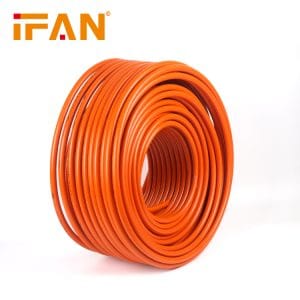
Revolutionizing Pipeline Systems: PEX Tubing’s Versatile Applications .In the ever-evolving landscape of pipeline systems, cross-linked polyethylene, commonly known as PEX tubing, has become a game-changer. This article explores the composition, applications, and advantages of PEX tubing, highlighting its versatile role in modern industries. 1. Understanding the Composition: The Cross-Linking Phenomenon 1.1 Cross-Linking Process PEX tubing is created through a process called cross-linking, where polyethylene molecules are linked together, imparting enhanced strength and durability to the material. 1.2 Varied Cross-Linking Methods There are different methods of cross-linking PEX, including PEX-A, PEX-B, and PEX-C. Each method has its unique characteristics, catering to specific industry requirements. 2. PEX Tubing Applications Across Industries 2.1 Radiant Heating Systems PEX tubing finds extensive use in radiant heating systems, where warm water circulates through the tubing beneath the floor, efficiently heating living spaces. This application is widely adopted in residential and commercial buildings. 2.2 Potable Water Systems Due to its resistance to corrosion and scaling, PEX tubing is a preferred choice for potable water systems. Its flexibility simplifies installation, making it suitable for both new constructions and retrofitting projects. 3. Advantages Propelling PEX Tubing’s Popularity 3.1 Flexibility and Ease of Installation PEX tubing’s inherent flexibility allows for

Read More »
Knowledges

Enhancing Fluid Transport Efficiency: The Rise of PPR Pipes in Modern Industries

Enhancing Fluid Transport Efficiency: The Rise of PPR Pipes in Modern Industries .The evolution of materials in the fluid transport industry has been instrumental in achieving efficiency and durability. Polypropylene Random Copolymer, commonly known as PPR, has emerged as a prominent player, offering versatile applications and notable advantages. This article delves into the composition, applications, and advancements of PPR pipes, shedding light on their impact in modern industries. 1. Unveiling the Composition: PPR as a Thermoplastic Marvel 1.1 Polypropylene Structure PPR pipes are crafted from a specific type of polypropylene that includes a random copolymer. This unique molecular arrangement lends PPR its remarkable properties, making it an excellent choice for fluid transport. 1.2 Thermal Resistance and Durability One of the standout features of PPR is its exceptional thermal resistance. PPR pipes can endure high temperatures, making them ideal for hot water distribution systems. Moreover, they exhibit a high level of durability, ensuring a prolonged service life. 2. Diverse Applications Across Industries 2.1 Plumbing Systems in Residential Construction PPR pipes have gained widespread acceptance in residential plumbing systems. Their lightweight nature, corrosion resistance, and ease of installation contribute to their popularity in modern construction projects. 2.2 Agricultural Irrigation Systems In agricultural

Read More »
Scroll to Top