Revolutionizing Fluid Transportation: A Comprehensive Guide to the Applications of PEX Pipes in the Pipeline Industry
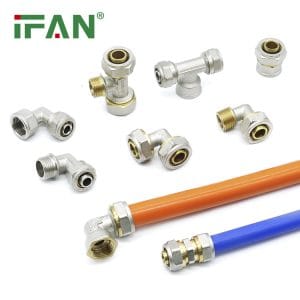
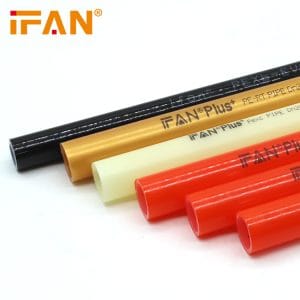
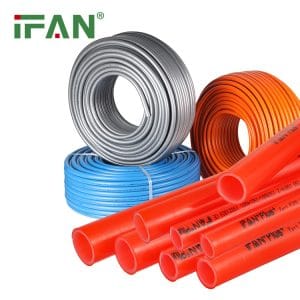
Revolutionizing Fluid Transportation: A Comprehensive Guide to the Applications of PEX Pipes in the Pipeline Industry .Cross-linked polyethylene, commonly known as PEX, has emerged as a transformative material in the pipeline industry. This article explores the versatile applications, distinctive features, and the growing prominence of PEX pipes in modern fluid transportation systems. 1. Unveiling the PEX Pipe 1.1 Composition and Structure PEX pipes are crafted from a high-density polyethylene material that undergoes a cross-linking process, creating a robust molecular structure. This structure imparts exceptional strength, flexibility, and resilience to the pipes, making them ideal for various applications. 1.2 Types of PEX Pipes There are three primary types of PEX pipes: PEX-A, PEX-B, and PEX-C, each manufactured using different cross-linking methods. PEX-A, produced through the Engel method, is renowned for its superior flexibility, while PEX-B, the Silane method, is known for its affordability and resistance to chlorine. PEX-C, produced through the electron beam method, offers a balance between flexibility and cost. 2. Applications in Pipeline Industries 2.1 Potable Water Systems PEX pipes are widely employed in potable water systems due to their exceptional resistance to corrosion and scaling. Their flexibility simplifies installation, allowing for versatility in routing water through residential, commercial,